
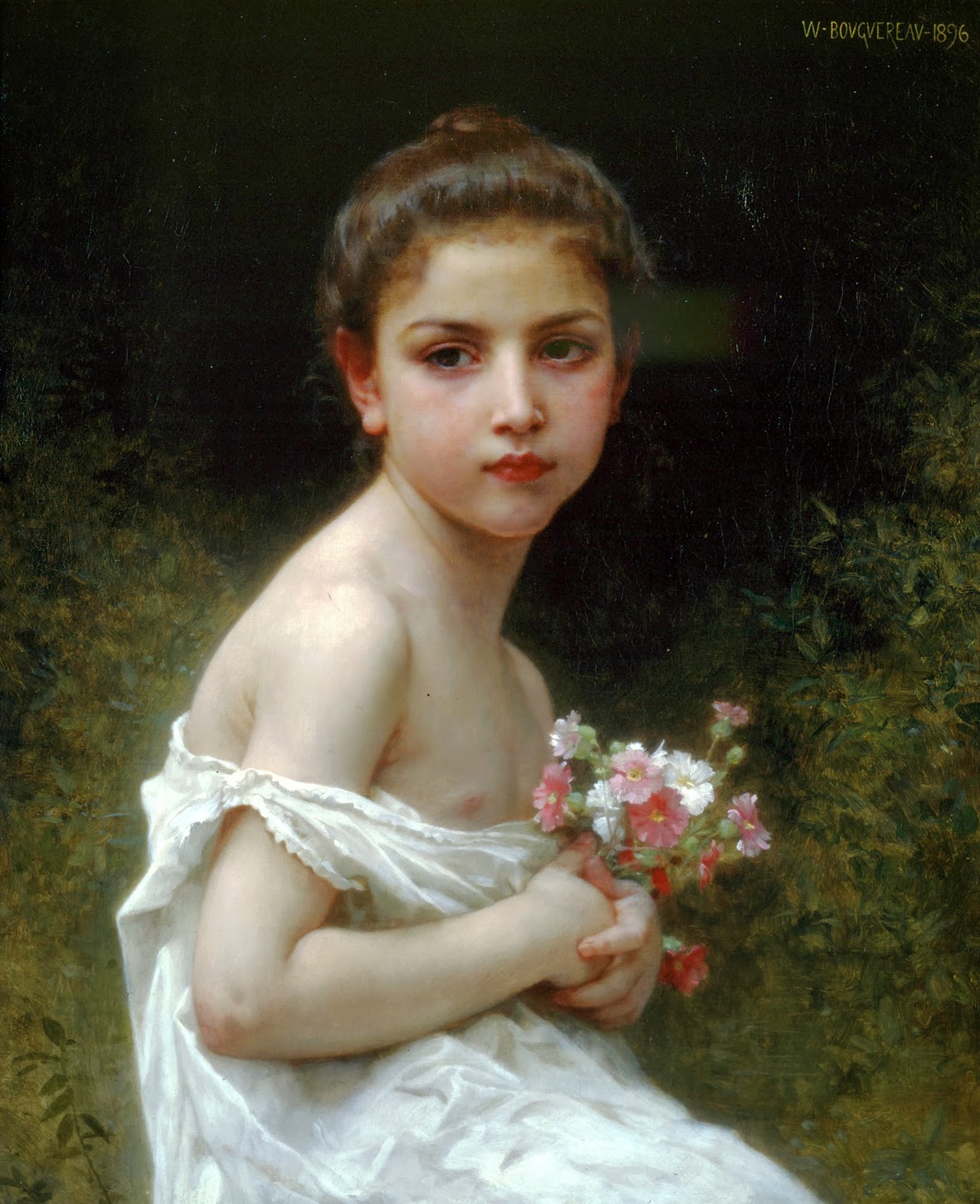
John George Brown – I Won’t Go (1873) – provient de Sotheby’s (réduit)
Voici un deuxième poème de l’écrivain français Georges Gourdon. Celui-ci parut dans son recueil Les Villageoises paru en 1887. Il fut repris dans l’Anthologie des poètes français du XIXème siècle éditée par Alphonse Lemerre en 1887-1888. Celle-ci présente l’auteur et son œuvre, on y lit : CONTINUE READING / CONTINUER LA LECTURE…
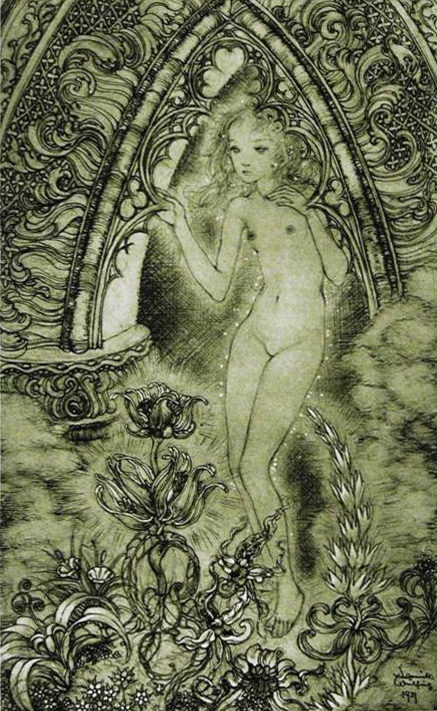
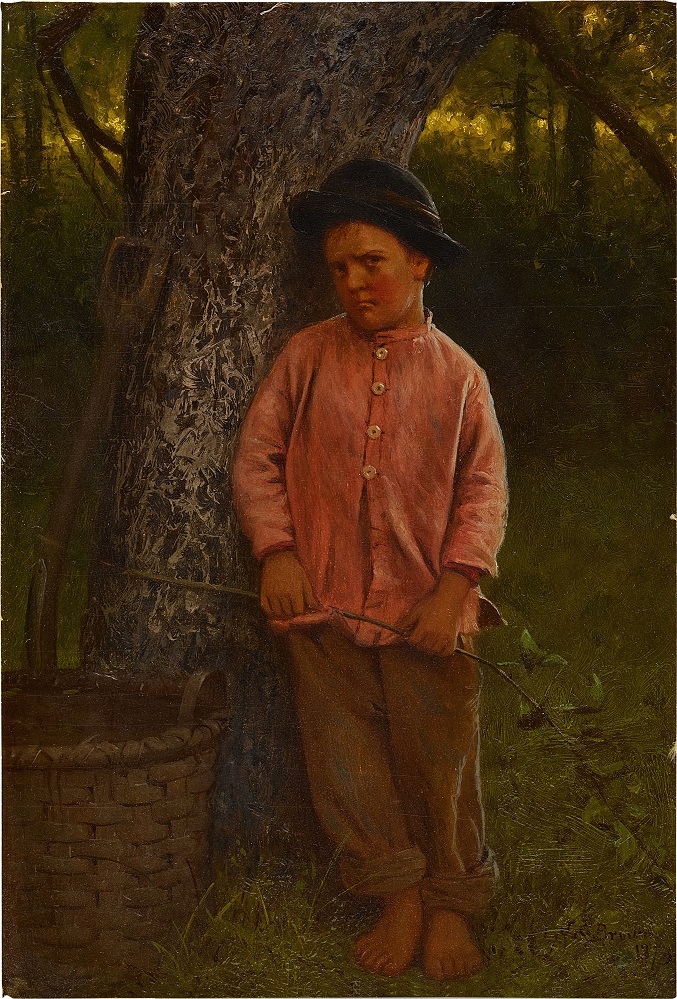
Sulamith Wülfing – The Young Girl (1942) – from Pigtails in Paint
I have chosen the following soft and gentle poem as a prime example of the shy and restrained form of love found in Clare’s beautiful poetry. CONTINUE READING / CONTINUER LA LECTURE…
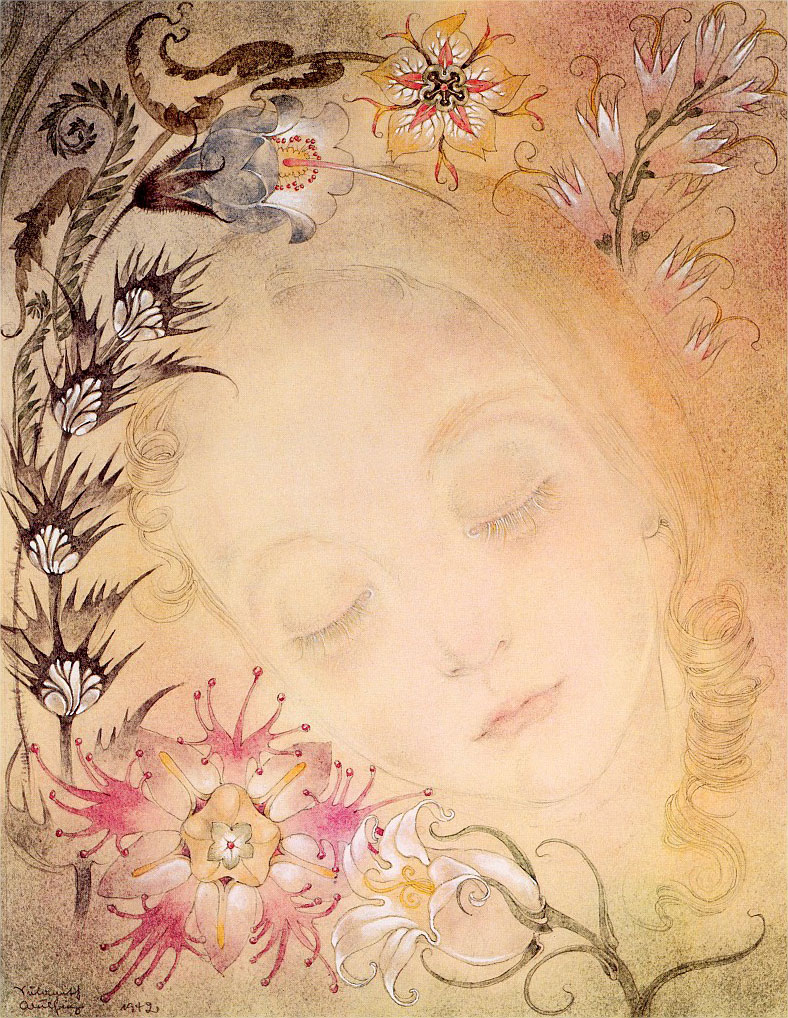
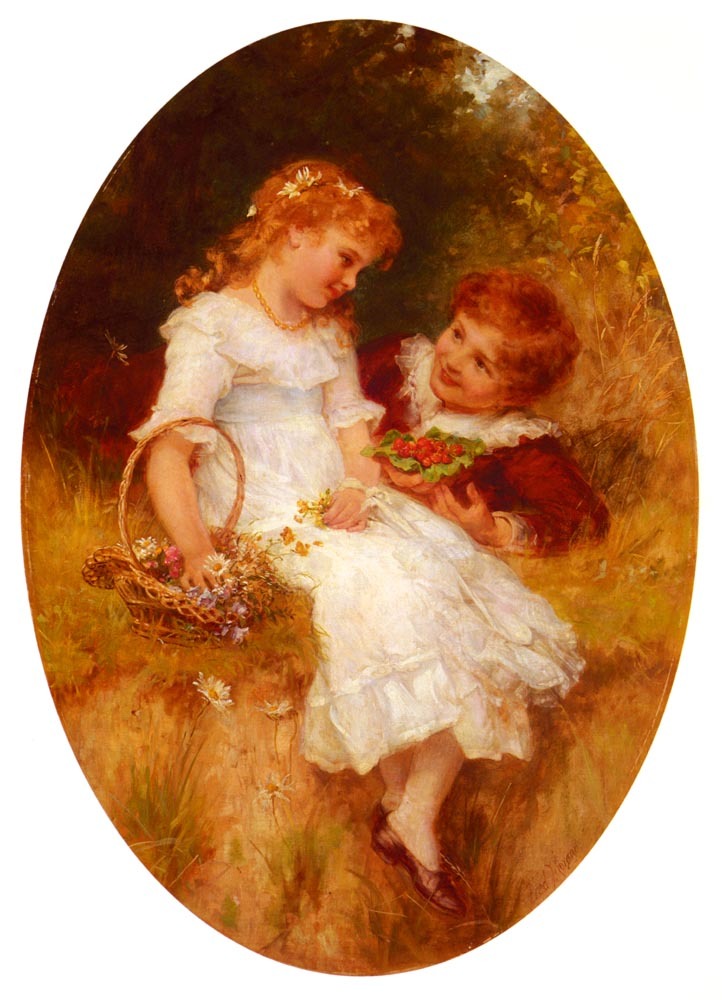
John Duncan – Baba and Billy (1920) – provient de Tutt’Art
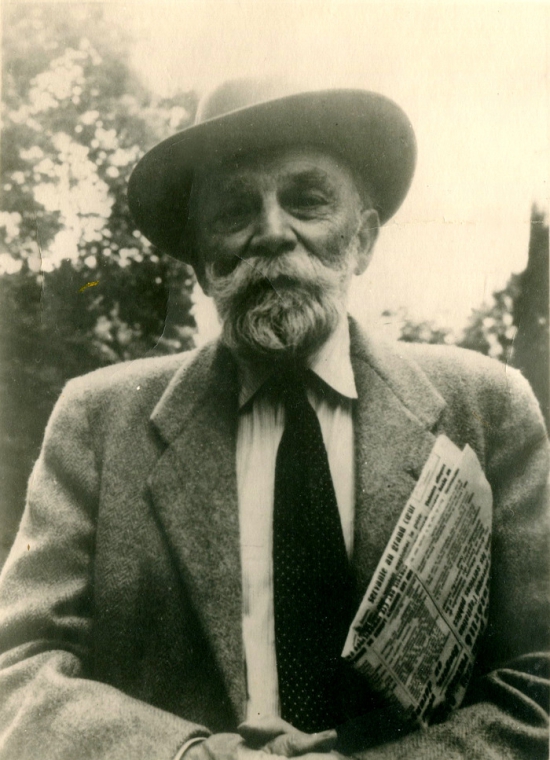
Georges Gourdon est un poète et journaliste de la Charente-Maritime, né à Vandré le 22 avril 1852 et mort à Rochefort le 19 décembre 1915. En 1910 il publia le recueil Le chemin de la vie, qui obtint en 1911 le Prix de Poésie de l’Académie française. CONTINUE READING / CONTINUER LA LECTURE…
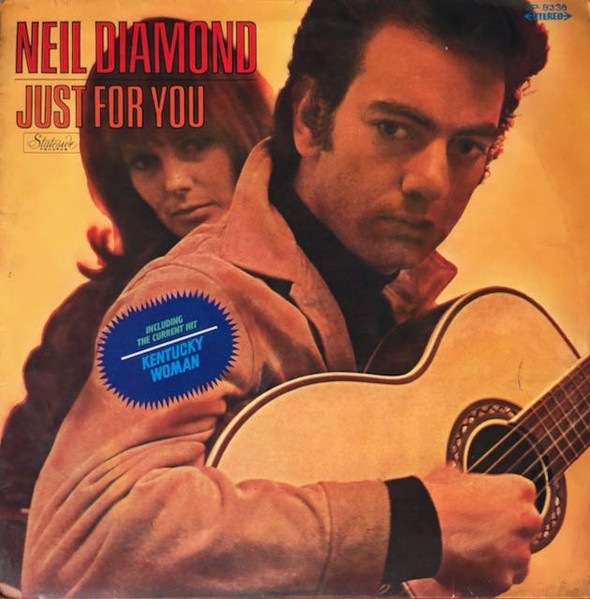
Cover of the LP Just for You by Neil Diamond – from Discogs
The American singer-songwriter Neil Leslie Diamond (born January 24, 1941) is one of the most successful musicians of all time, with more than 130 million records sold worldwide.
His second LP album Just for You was released on August 25, 1967; it has never been released on CD. Its first title, the song “Girl, You’ll Be a Woman Soon,” reached number 10 on the Billboard Hot 100 (the US pop singles chart) in 1967. Other versions have been recorded by many musicians, in particular Cliff Richard (1968), Jackie Edwards (1968), the Biddu Orchestra (1978), and 16 Volt (1998). It enjoyed a second life when the rock band Urge Overkill interpreted it for the soundtrack of Quentin Tarantino’s 1994 film Pulp Fiction. CONTINUE READING / CONTINUER LA LECTURE…
Auguste Gaud (1857–1924) est un poète et écrivain poitevin. Fils d’un cordonnier et d’une couturière, il exerça le métier paternel avant de se lancer dans la littérature. À partir de 1903, il fut juge de paix.
Il publia d’abord de nombreuses œuvres en français ayant pour toile de fond la culture paysanne de sa région. A partir de 1895, il devint le chef de file du Félibrige Poitevin, un mouvement régionaliste qui, à l’instar du Félibrige de Frédéric Mistral, faisait la promotion du dialecte, de la culture et du folklore du Poitou-Saintonge. Il se mit alors à écrire des morceaux en poitevin-saintongeais. CONTINUE READING / CONTINUER LA LECTURE…
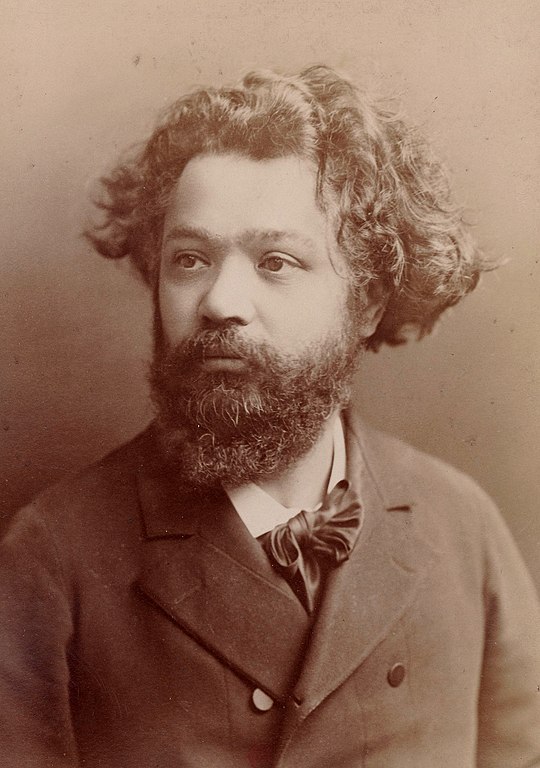
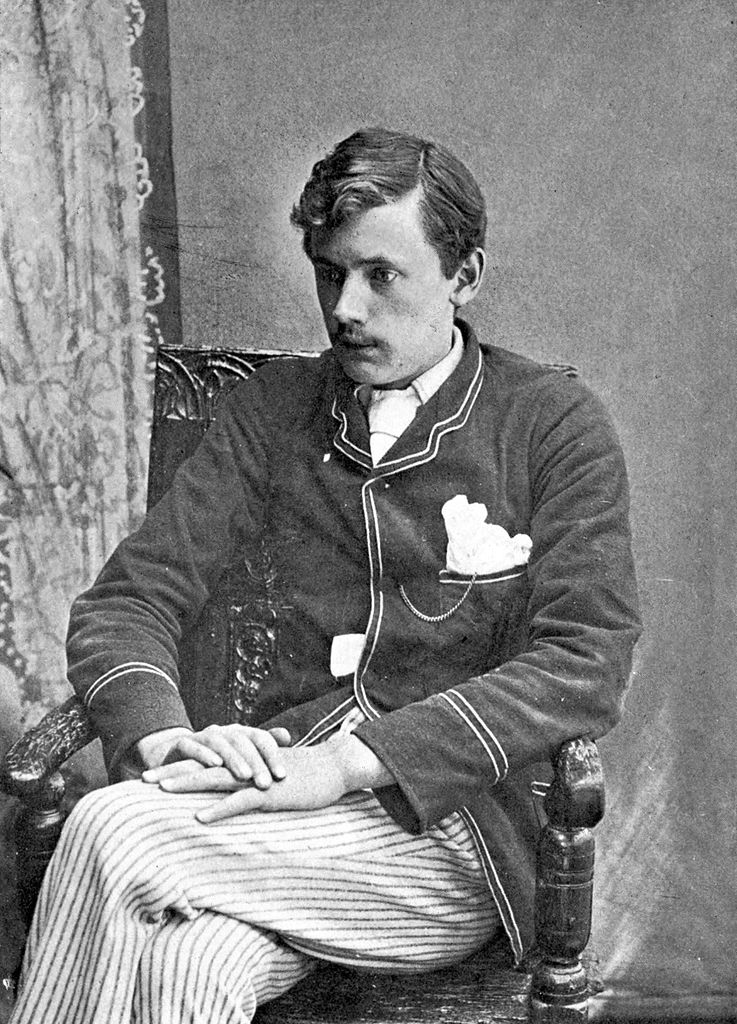
Ernest Dowson as an undergraduate – from Wikimedia Commons
In the first part of this essay, I told how Ernest Dowson met Adelaide Foltinowicz, aged eleven years and a half, whom he nicknamed “Missie” or “Missy,” then he started spending his evenings at her father’s restaurant where she worked as a waitress, and gradually fell in love with her. CONTINUE READING / CONTINUER LA LECTURE…
Charles Edward Conder – Ernest Dowson, pencil (c.1890s) – National Portrait Gallery NPG 2209
In two previous articles, “Ernest Dowson and the Cult of Minnie Terry” (in Pigtails in Paint) and “Ernest Dowson and the ages of woman” (in this blog), I told that in his youth Ernest Dowson worshipped little girls, in particular the child actress Minnie Terry. But this infatuation remained somewhat on the surface, it did not really move his soul. Indeed, it vanished as soon as he met the true passion of his life, Adelaide Foltinowicz, a girl he nicknamed “Missie” or “Missy.” CONTINUE READING / CONTINUER LA LECTURE…
Alexander Averin Art – from annacatharina.centerblog.net
My last choice of a love poem from the beautiful collection Asylum Poems by John Clare. Soft and gentle, full of flowers and nature’s beauties, it smiles with words of love. CONTINUE READING / CONTINUER LA LECTURE…
Une amie du poète lui rappelle les beaux jours de leur enfance, leurs jeux et leur amour naissant. Il se souvient d’un baiser qu’il reçut en récompense d’une chanson, mais hélas, aujourd’hui elle ne lui en donne plus. CONTINUE READING / CONTINUER LA LECTURE…