
Author for Pigtails in Paint since September 2014; associate editor since November 2015. Administrator of the late Agapeta on WordPress (2015/01/09 - 2019/03/01), and now of Poets and Lovers.
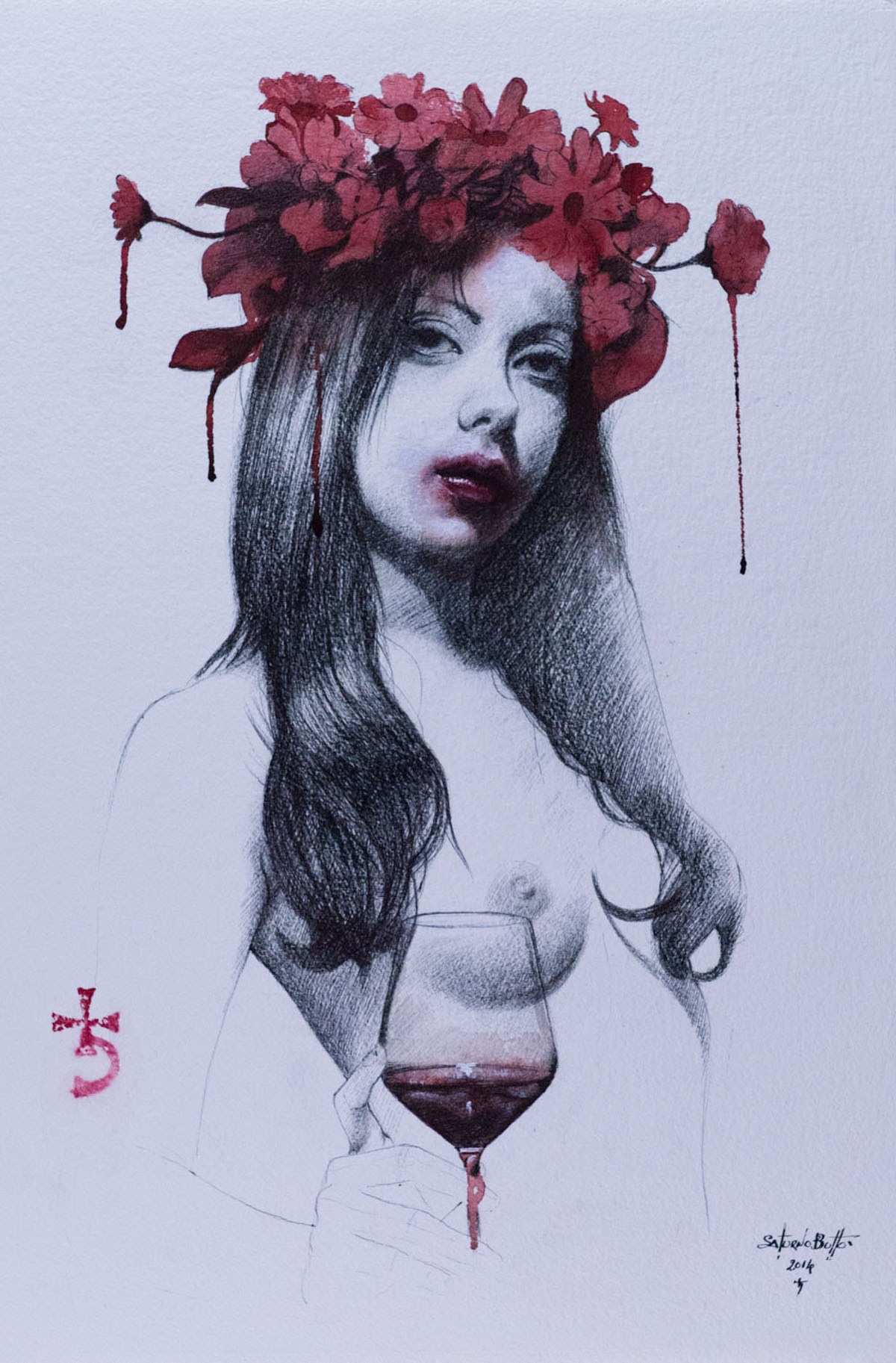
Saturno Buttò – Mixed technique on paper cm. 58×39 – from saturnobutto.com
Baudelaire publia en 1851 le court essai Du vin et du haschisch, comparés comme moyens de multiplication de l’individualité, qui étudie les effets des deux drogues sur la personnalité, le comportement et l’inspiration. Plusieurs éditions l’incluent dans Les Paradis artificiels, bien qu’il n’en fasse pas partie. CONTINUE READING / CONTINUER LA LECTURE…
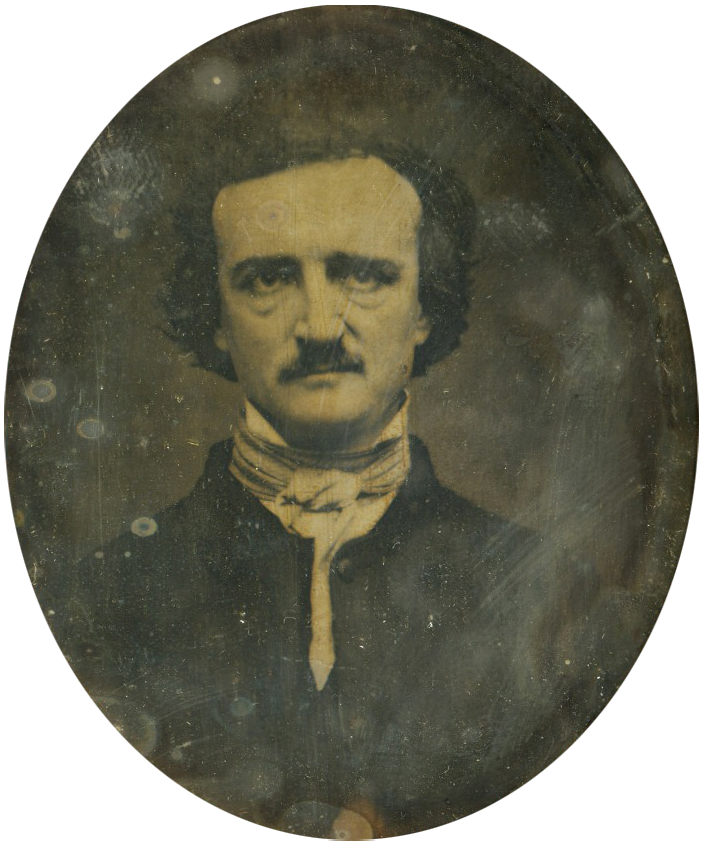
W.S. Hartshorn – Edgar Allan Poe (1848) – from “Famous People” collection, Library of Congress, Prints and Photographs Division [LC-USZ62-10610]
Edgar Allan Poe (January 19th, 1809 — October 7th, 1849) is an American writer known for the strangeness both of his writing and of his life. He was named Edgar Poe, the second child of two traveling stage actors; his father abandoned his family in 1810, and his mother died on December 8th, 1811. His father was also dead then, and Edgar was taken into the home of John and Frances Allan, who served as a foster family, though they never formally adopted him. From them he got his middle name Allan. The family moved to Great Britain in 1815, then back to Richmond, VA, in 1820, so Edgar was educated in both countries. CONTINUE READING / CONTINUER LA LECTURE…
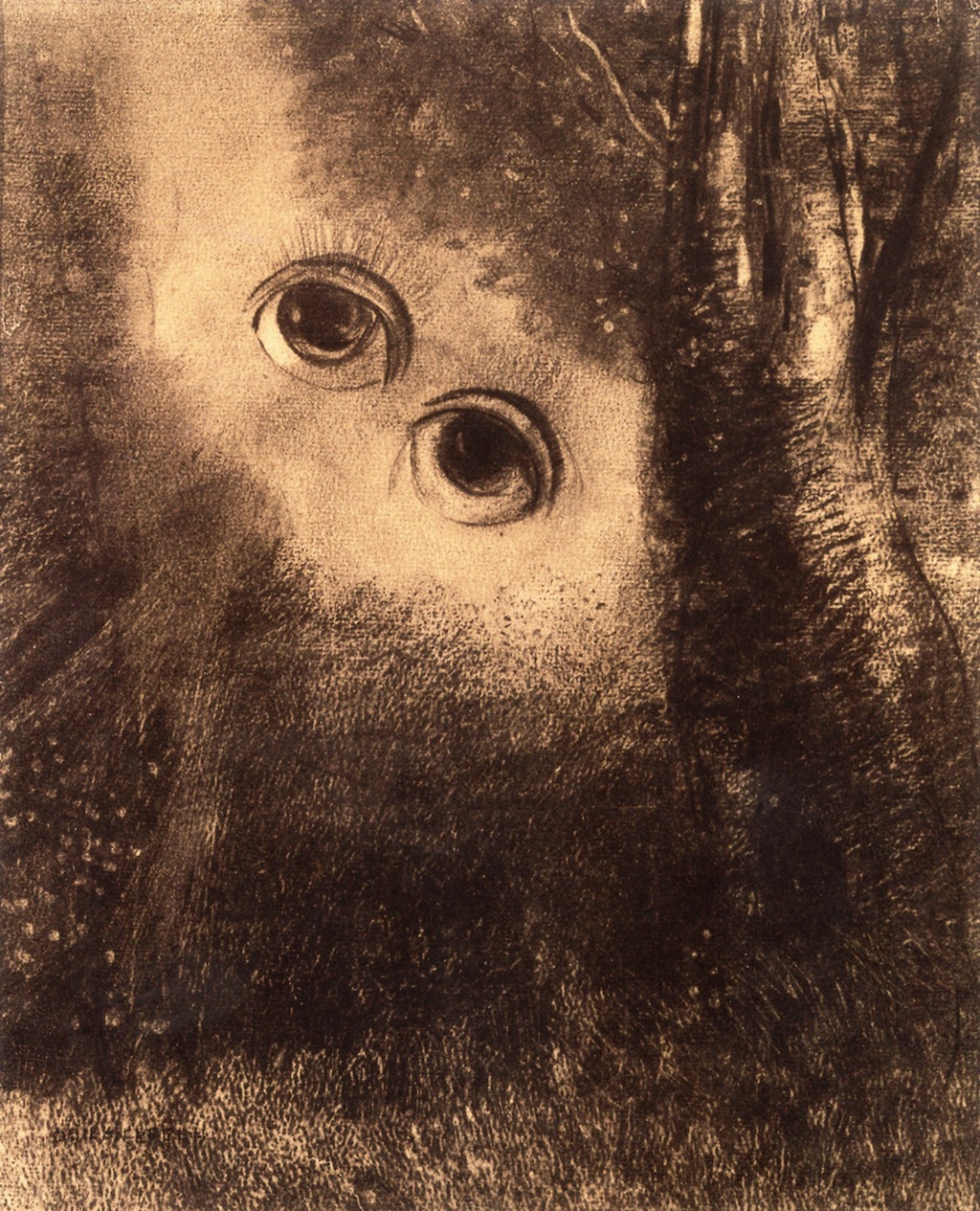
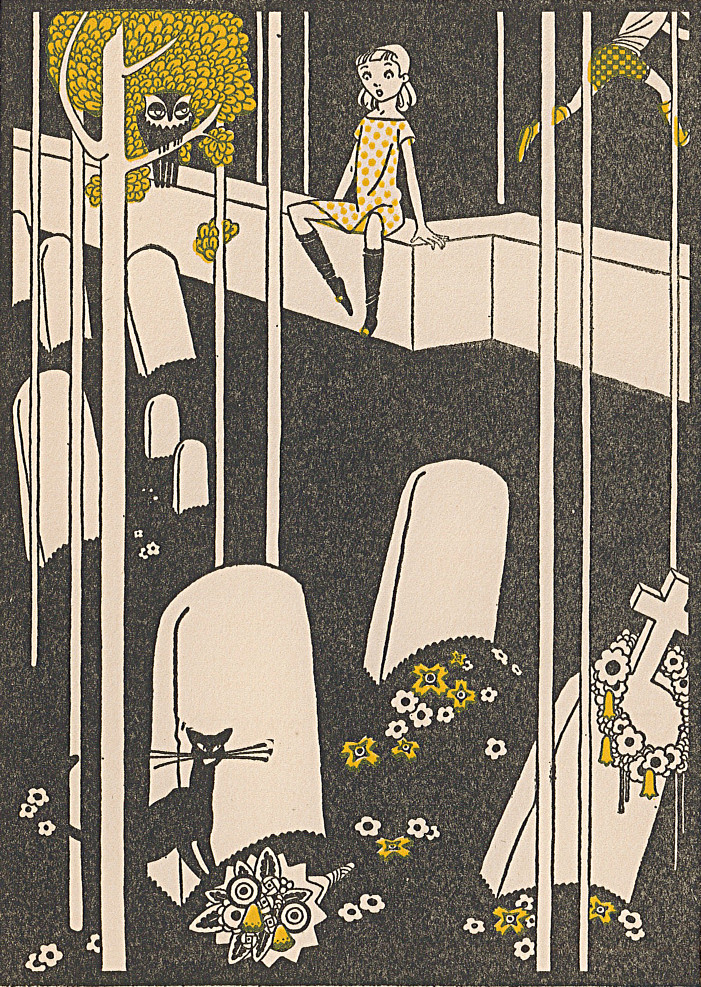
Mac Harshberger – illustration for “Spooks” in The Singing Crow (1926)
In 1926, at age 13, Nathalia Crane published her third collection of poetry, The Singing Crow and Other Poems. The title comes from a long poem about a crow that, after having its beak torn by an arrow, becomes a wonderful singer; she returns to that topic in the first poem of the collection’s epilogue, “A singer gone.” The book got some success, and she was then dubbed “The Brooklyn Bard” (see Jessica Amanda Salmonson, “Girl Writers: Nathalia Crane, Vivienne Dayrell, & Daisy Ashford,” The Weird Review). There are several very short poems, in particular “The Colors” is often quoted: CONTINUE READING / CONTINUER LA LECTURE…
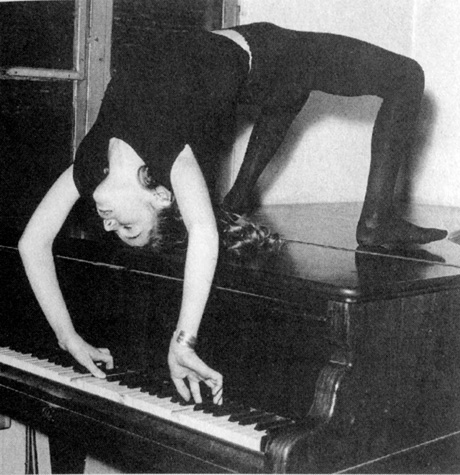
Minou Drouet playing a sonata by Mozart (ca.1960) – from Cabinet n° 40 (2010/11)
Dans sa petite enfance, Minou Drouet souffrait d’un strabisme très accentué et d’une grave déficience visuelle. Sa vue ne s’améliora qu’après l’opération de ses yeux par le professeur Paufique à Lyon, quand elle avait huit ans. Les aveugles et déficients visuels compensent souvent en développant les autres sens, en particulier l’ouïe et le toucher. Il semble effectivement que ce fut aussi son cas, comme le montrent certaines de ses lettres, citées ci-dessous. CONTINUE READING / CONTINUER LA LECTURE…
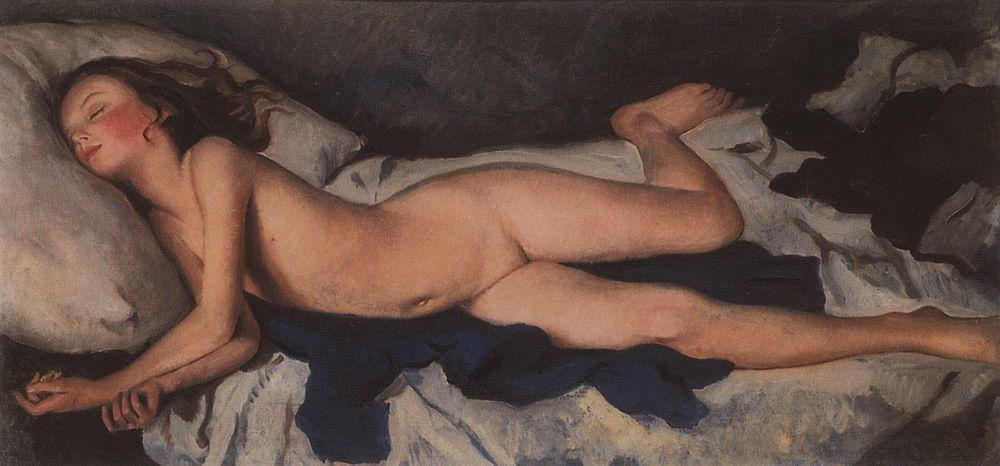
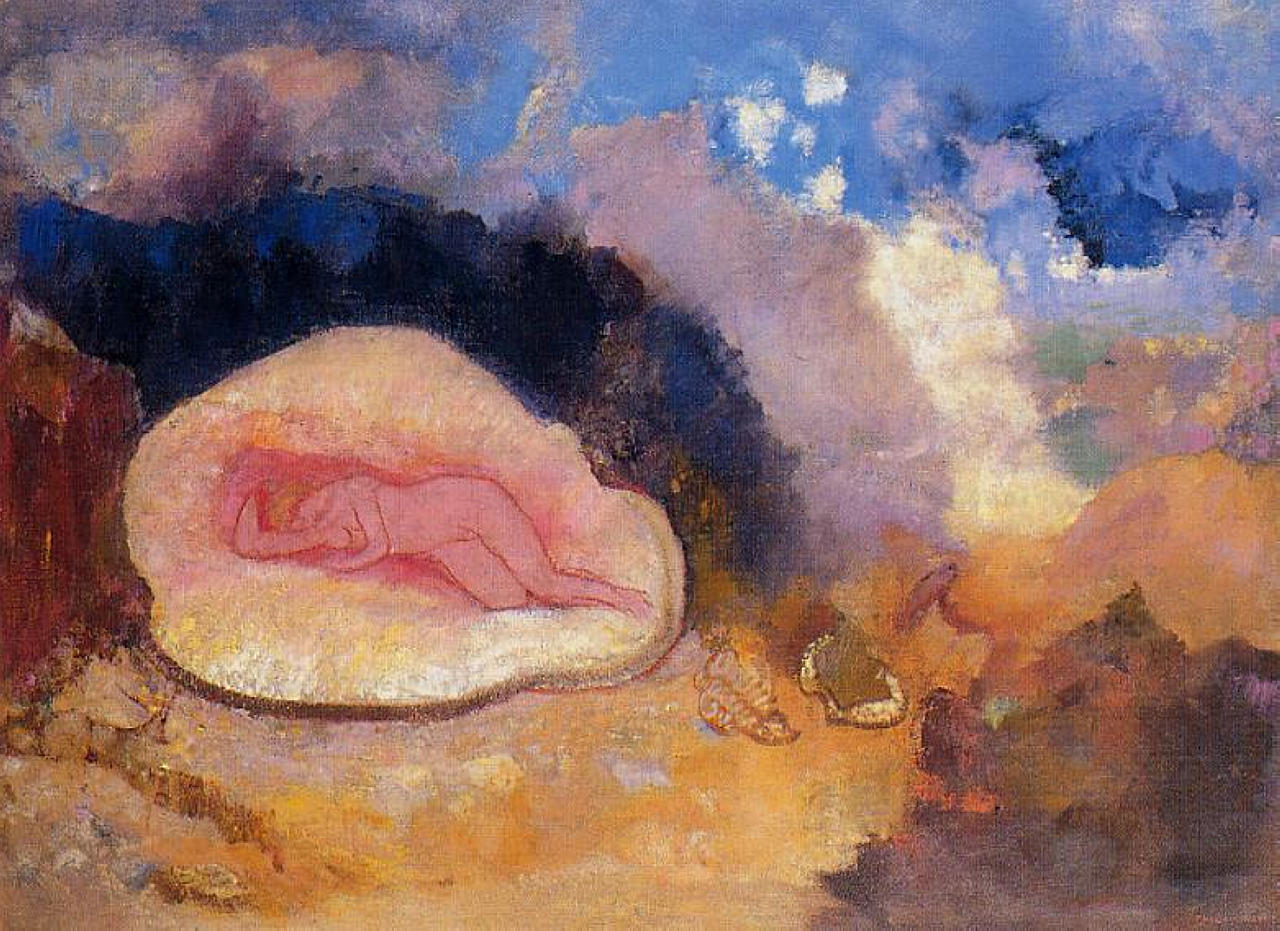
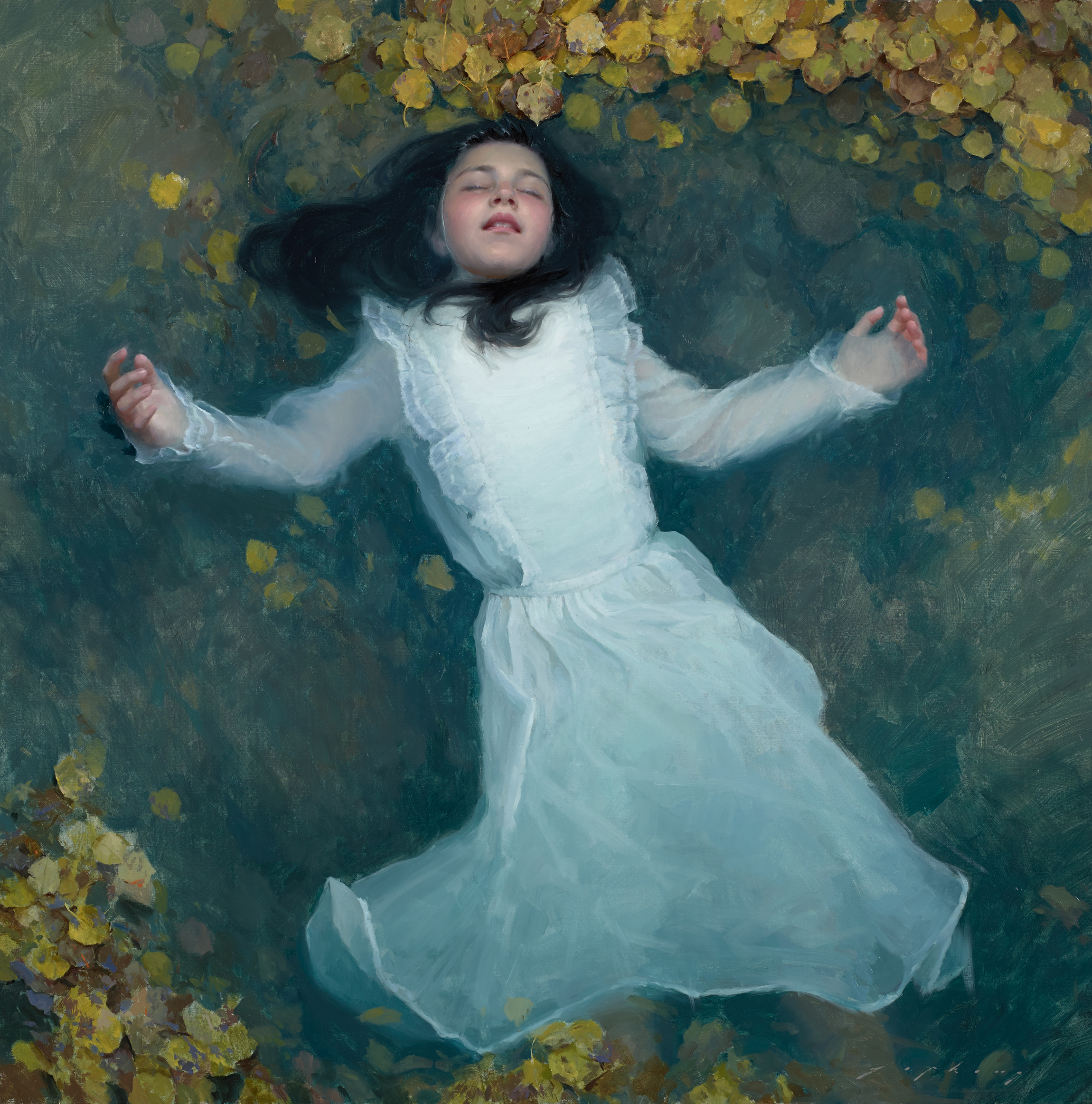
Jeremy Lipking – Adrift (2013) – from Art Renewal Center
LOVELINESS by Hilda Conkling
LOVELINESS that dies when I forget
Comes alive when I remember.
In previous posts, I have presented two themes from Poems by a Little Girl (1920), Hilda Conkling’s first volume: dreams, often involving fairies and nature, then rose petals, which she associates with her heart, or with a dove representing love. In her second volume Shoes of the Wind (1922), the topics of dreams, roses and love become united within two beautiful poems, but here love becomes more personal. Indeed, Hilda was no more a little girl, she entered into puberty, so her fantasies and desires took a more womanly form. Also the style of her poetry matured, with a quasi-adult sophistication. CONTINUE READING / CONTINUER LA LECTURE…
August Xaver Karl von Pettenkofen – Study of a Nude Young Girl – from The Metropolitan Museum of Art, via Wikimedia Commons
Today I present an erotic poem, probably full of hidden sexual meanings. Maybe the title refers to the Mons Veneris, and the four last verses of the first stanza also seem to hint at some sexual acts whose description was considered too obscene to be told explicitly in the early 20th century. The poem ends in ecstasy with a reference to Satan and Hell, as the latter seems to be more pleasurable than the Heaven of religion. CONTINUE READING / CONTINUER LA LECTURE…
L’écrivain français Charles Baudelaire (1821–1867) fut un précurseur dans de nombreux domaines, en particulier il développa une nouvelle forme d’écriture, le poème en prose. Ainsi 50 de ceux-ci, rédigés entre 1855 et 1864, furent rassemblés dans son recueil posthume Le Spleen de Paris (également intitulé Petits Poèmes en prose), publié pour la première fois en 1869 par Michel Levy dans le quatrième volume des Œuvres complètes de Baudelaire. CONTINUE READING / CONTINUER LA LECTURE…
In a previous post, I presented “The First Reformer,” the first poem in Saints and Reformers, the fourth part of Lava Lane, and Other Poems, her second volume published in 1925. Then I mentioned three others that explicitly mock religion: “Sunday Morning,” “The Making of a Saint” and “The Edict.” I reproduce them here. CONTINUE READING / CONTINUER LA LECTURE…
Probablement la seule fillette qu’il aima fut sa propre fille Aube. Dans son livre L’amour fou il relate sa rencontre avec Jacqueline Lamba le 29 mai 1934, dans un climat étrange de prémonitions et de symboles. Les deux tombèrent follement amoureux et se marièrent le 14 août. Leur fille Aube naquit le 20 décembre 1935, et Breton s’attacha à son enfant. CONTINUE READING / CONTINUER LA LECTURE…