
Who loves working class children?

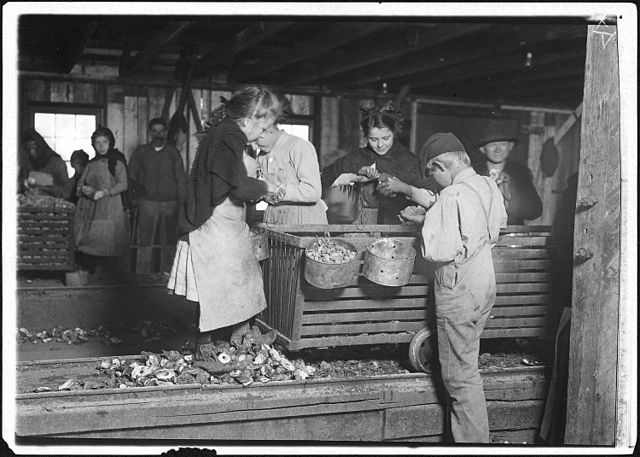
Lewis Hine - Little Lottie
Lewis Hine – Little Lottie, a regular oyster shucker in Alabama Canning Co. She speaks no English. Note the condition of her shoes caused by standing on the rough shells so much. A common sight. Bayou La Batre, Ala. (22 February 1911) – from National Archives (Identifier 523398), via Wikimedia Commons

One seldom finds persons who really love all children. Most people show themselves selective in their affection, while some don’t like children at all. Usually it is a family affair, one loves one’s own children, but not those of other people, and this attitude gets a wide support in society, since children are implicitly considered as their parents’ property, and too much love for other people’s children is seen with suspicion. CONTINUE READING / CONTINUER LA LECTURE…
Young Love, by Andrew Marvell

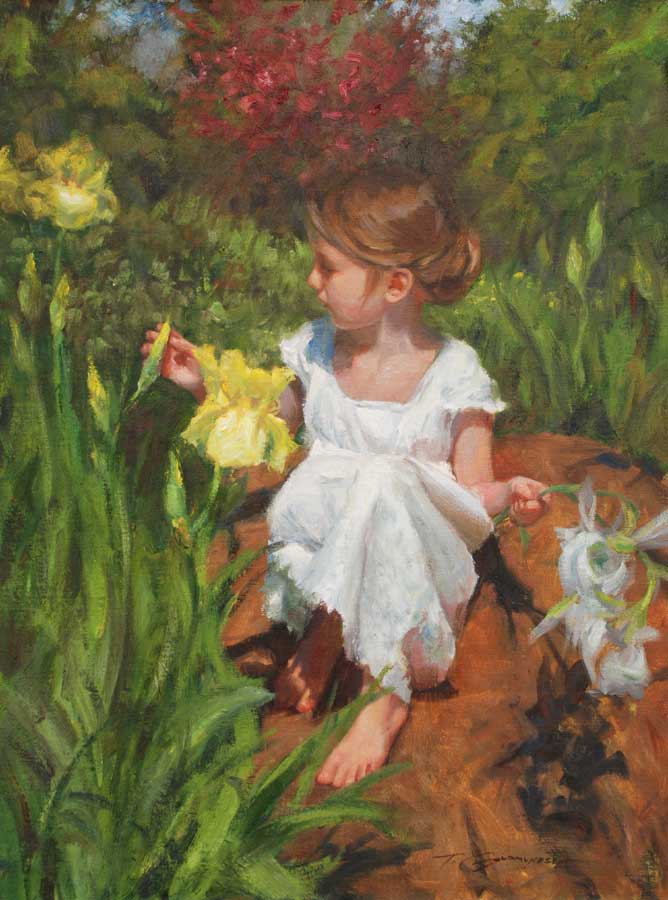
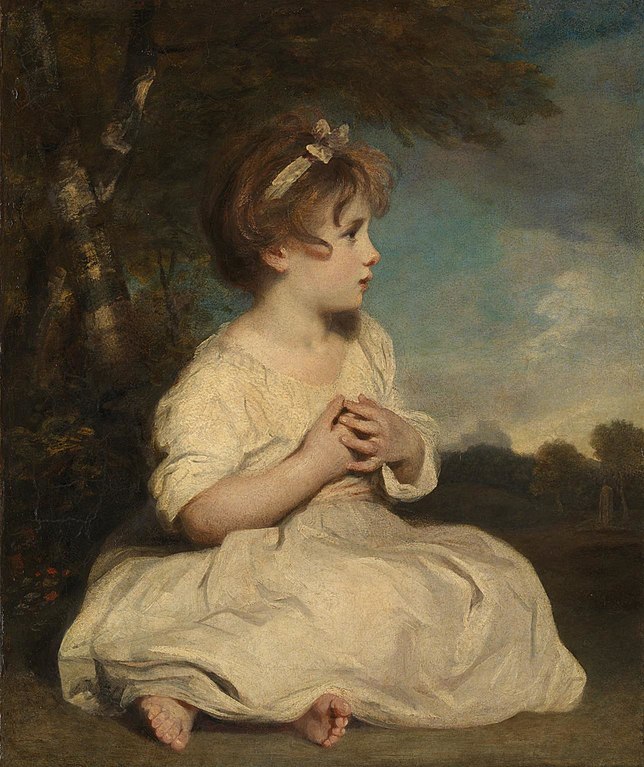
Joshua Reynolds -The Age of Innocence
Joshua Reynolds -The Age of Innocence – Tate N00307, via Wikimedia Commons

Andrew Marvell (1621–1678) is considered one of the greatest English poets of the seventeenth century. Beside lyric poetry, he wrote political satire, both in verse and in prose, lampooning his contemporaries for their corruption and hypocrisy; most of it was published anonymously, to avoid repression. After his death, many anonymous texts were attributed to him and collected for publication. CONTINUE READING / CONTINUER LA LECTURE…
It is finished, by Ernest Dowson

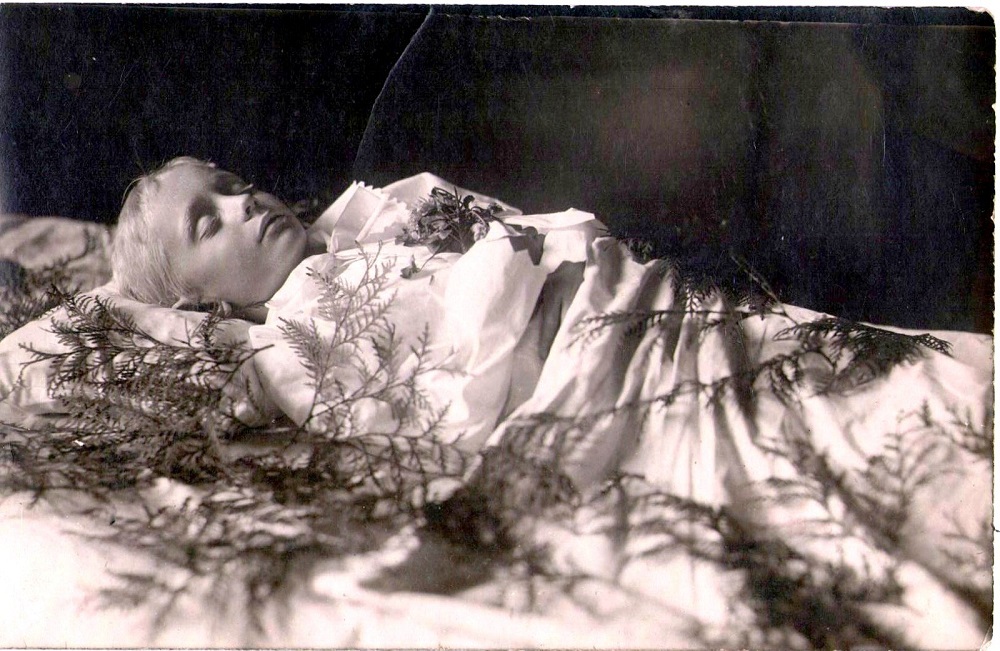
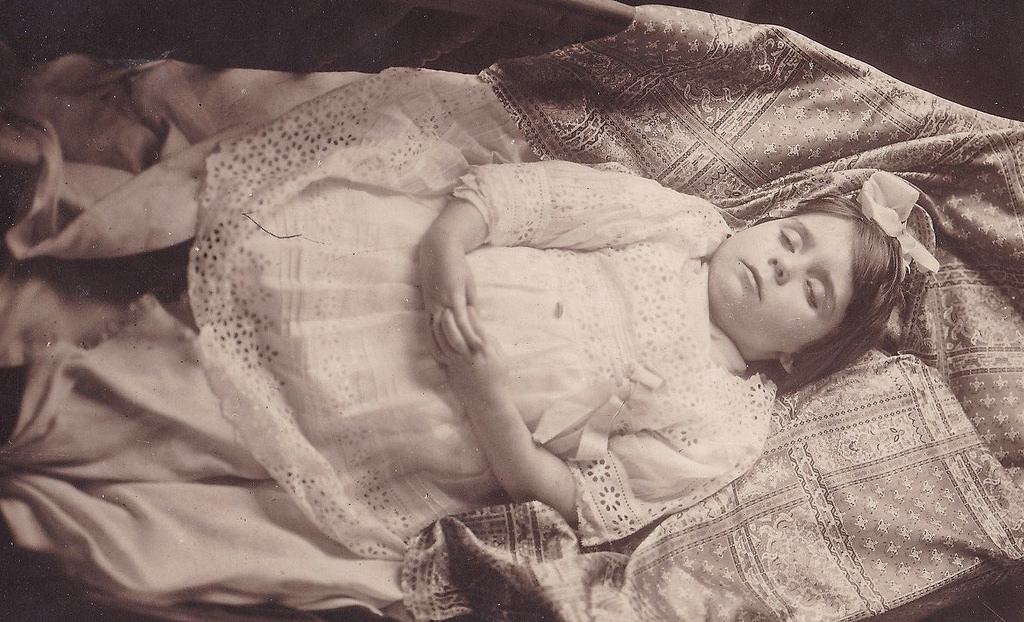
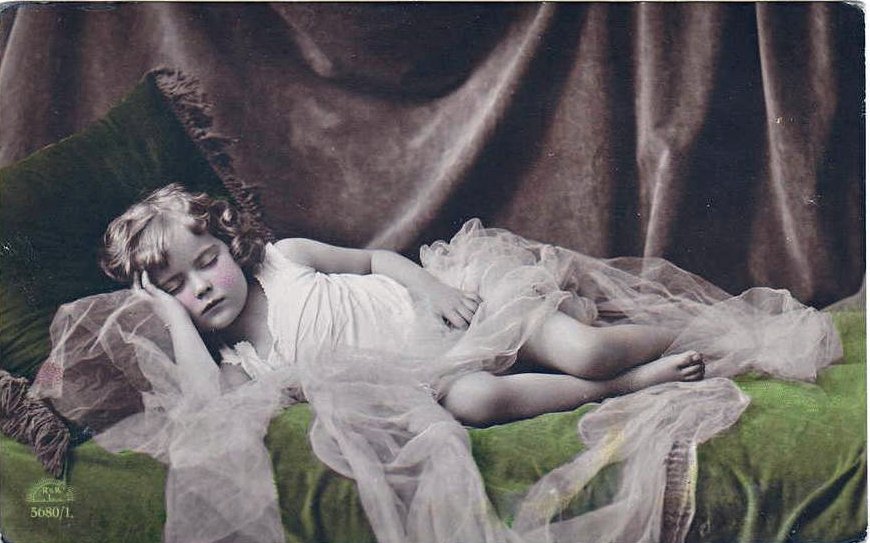
Post mortem of a young girl lying on a blanket
Post mortem of a young girl lying on a blanket – from user oakenroad on Flickr

Dowson wrote several poems about the death of a child. The best known one is probably “The Dead Child “in the volume Decorations published in 1899. In it, the poet wishes to be dead, to share the child’s rest.

The following poem comes from his collection Poésie Schublade (“Drawer Poetry”), which was published only posthumously. It was probably written in the middle 1880’s. CONTINUE READING / CONTINUER LA LECTURE…
Kids have gifts—when one trusts them

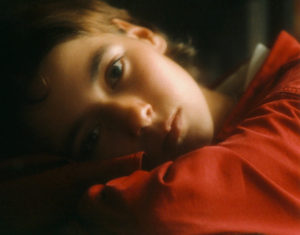
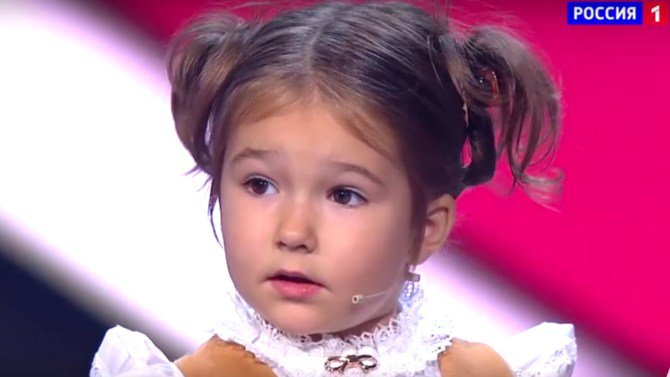
Russian TV - Bella Devyatkina
Russian TV – Bella Devyatkina

All too often, adults think that children by their nature should do childish things and be left in their childish world, rather than imitating adults and their activities; this is the motto “let kids be kids.” Thus they are left in ignorance of what one considers as “beyond their age,” and if they show too much interest in such “beyond” things and inquire too much about them, they will be answered “don’t touch,” “stay away,” “this is not of your age,” “you are too young for that” or “anyway you can’t understand.” This makes future adults who will be ignorant, backward, immature and dependent on authority. CONTINUE READING / CONTINUER LA LECTURE…
Daddies and their little girls

Terry Zwigoff – Robert Crumb and his daughter Sophie, in Crumb
Terry Zwigoff – Robert Crumb and his daughter Sophie, in Crumb (1994) – from IMDB

In my post Thank Heaven For Little Girls, I presented several renderings of the song and ended with its use to accompany a stage dance between mature men and little girls. I stressed the symbolic nature of this reinterpretation of a song that lauded little girls for growing up into delightful young women: men love little girls as they are now, not only for their future beauty after puberty.

Now I found another video of a stage dance of adult men with little girls, but this one is much more romantic, the men lift the girls up, take them in their arms, and kiss them several times (at 1’05”, 3’00” and 3’29”): CONTINUE READING / CONTINUER LA LECTURE…
Childhood nostalgia in Ernest Dowson’s Praeterita

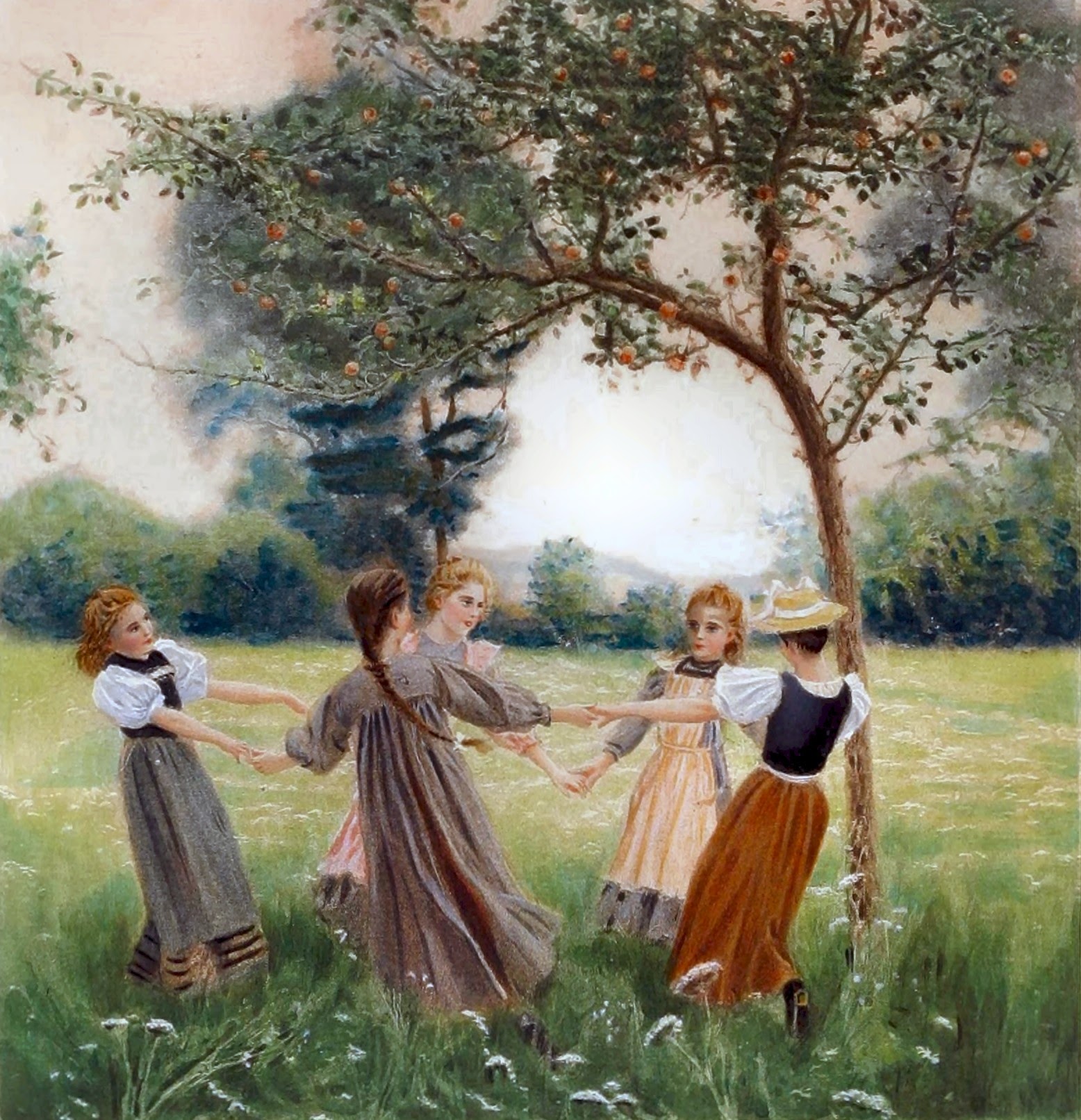
Jules-Alexis Muenier - La ronde des enfants
Jules-Alexis Muenier – La ronde des enfants (1902) – from Tutt’Art

Ernest Dowson kept in a drawer a booklet of poems written in his youth, which was published posthumously under the title Poésie Schublade (‘drawer poetry’ in a mix of French and German). These poems are not widely available on the web. However, they shine with freshness and evoke nostalgia for childhood, two qualities partially lost in the more polished verse of his maturity. CONTINUE READING / CONTINUER LA LECTURE…
Catholic School Girls Rule, by Red Hot Chili Peppers

Cover of the LP Freaky Styley by Red Hot Chili Peppers
Cover of the LP Freaky Styley by Red Hot Chili Peppers – from Amazon

The American rock band Red Hot Chili Peppers released their second studio album Freaky Styley in August 1985. Its 11th track, the song “Catholic School Girls Rule,” is inspired by an event in the life of the band’s singer Anthony Kiedis, which he told in his 2004 autobiography Scar Tissue (written with Larry Sloman, and published by Hyperion). A 14 years old girl who attended a local Catholic school met Kiedis backstage, and he slept with her while on tour before and after discovering her age. Genius quotes the book about their first meeting: CONTINUE READING / CONTINUER LA LECTURE…
Unhappy Girl, by The Doors

Dorothea Lange - Resettled farm child from Taos Junction to Bosque Farms project
Dorothea Lange – Resettled farm child from Taos Junction to Bosque Farms project, New Mexico. Photograph for the Farm Security Administration (December 1935) – from Wikimedia Commons

I have recently presented “You’re Lost Little Girl,” the second track of the album Strange Days by The Doors, and I said that this song probably refers to William Blake’s poem “A Little Girl Lost” in Songs of Experience (1794). Commenting the repeated line “You’re lost little girl” in the song’s lyrics, Genius says about Blake’s poem “A Little Girl Lost:” CONTINUE READING / CONTINUER LA LECTURE…