
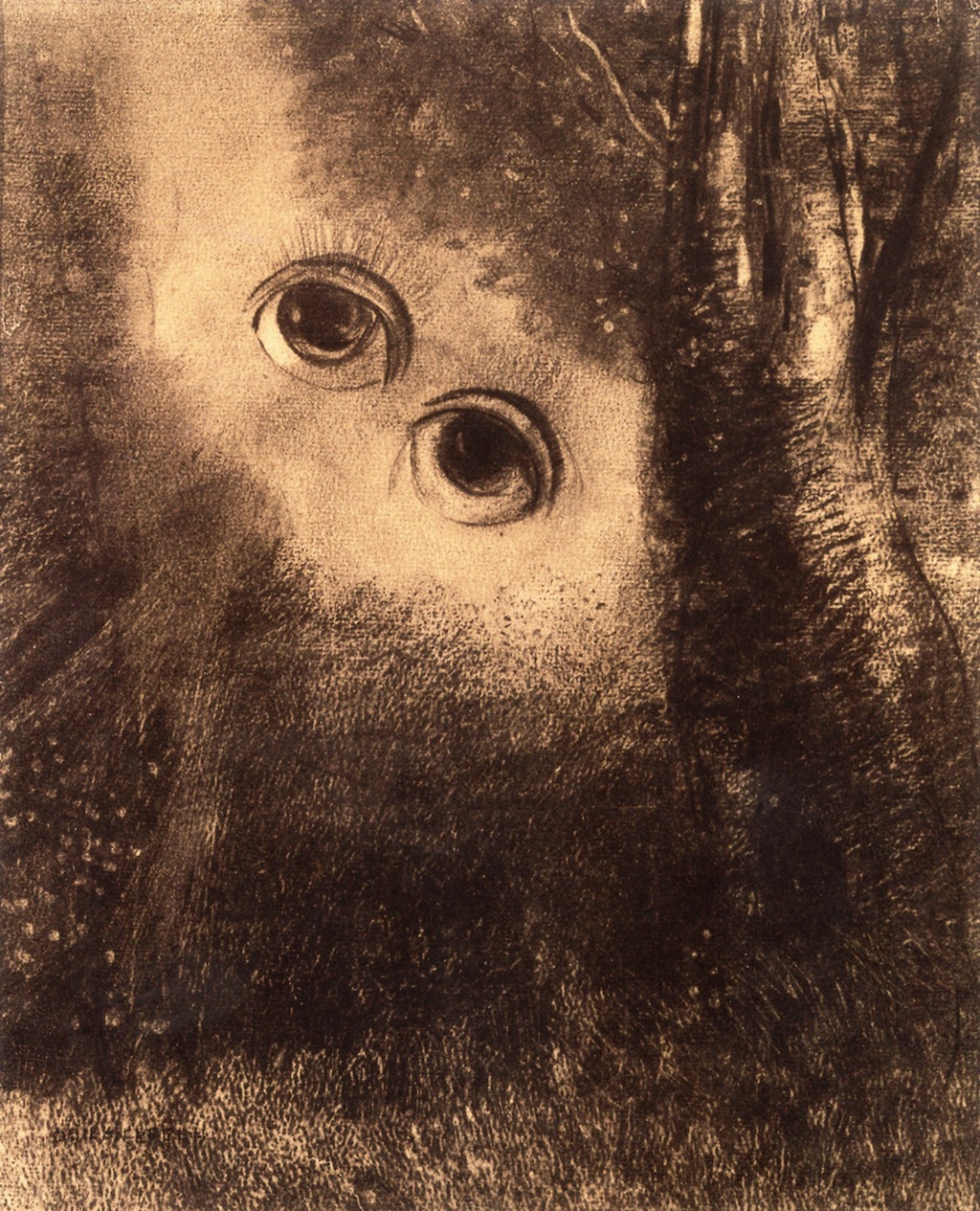
A dreaming little girl wonders about the dreams of old people and old trees … They must be different from her own, she is so young. CONTINUE READING / CONTINUER LA LECTURE…
A dreaming little girl wonders about the dreams of old people and old trees … They must be different from her own, she is so young. CONTINUE READING / CONTINUER LA LECTURE…
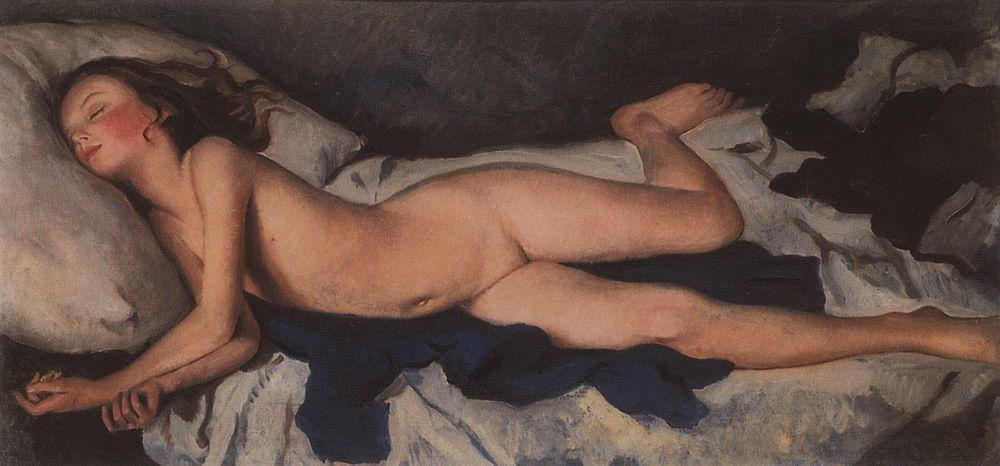
Around 1900, the occultist Aleister Crowley sailed for Hawaii aboard the Nippon Maru. On the ship he met a married woman named Mary Alice Rogers and had a love affair with her. He wrote a series of poems about the romance, which he collected in a booklet entitled Alice: An Adultery. It was published privately in 1903, then a second edition was published by the Society for the Propagation of Religious Truth in 1905. CONTINUE READING / CONTINUER LA LECTURE…
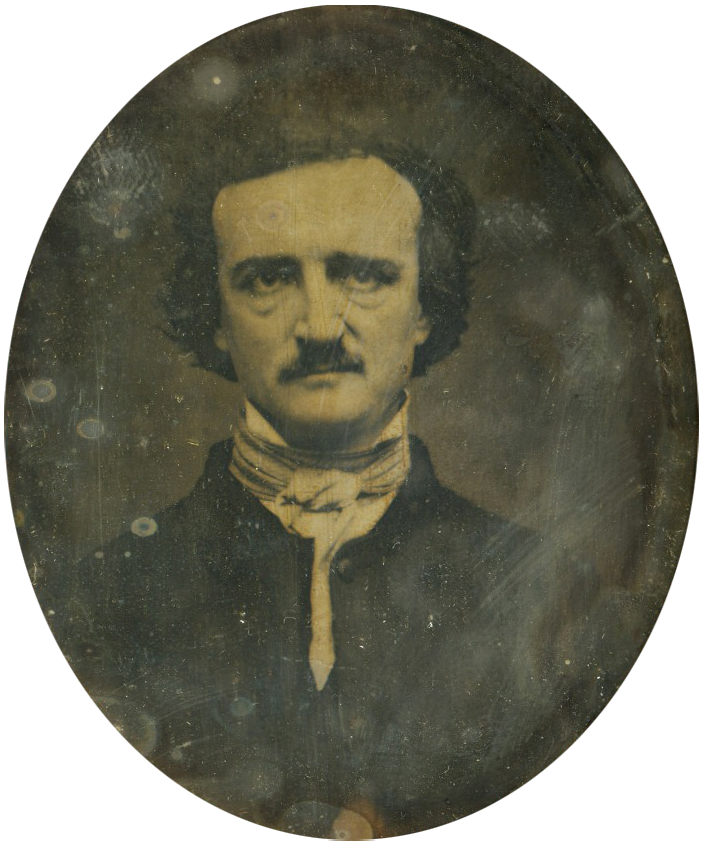
Edgar Allan Poe (January 19th, 1809 — October 7th, 1849) is an American writer known for the strangeness both of his writing and of his life. He was named Edgar Poe, the second child of two traveling stage actors; his father abandoned his family in 1810, and his mother died on December 8th, 1811. His father was also dead then, and Edgar was taken into the home of John and Frances Allan, who served as a foster family, though they never formally adopted him. From them he got his middle name Allan. The family moved to Great Britain in 1815, then back to Richmond, VA, in 1820, so Edgar was educated in both countries. CONTINUE READING / CONTINUER LA LECTURE…
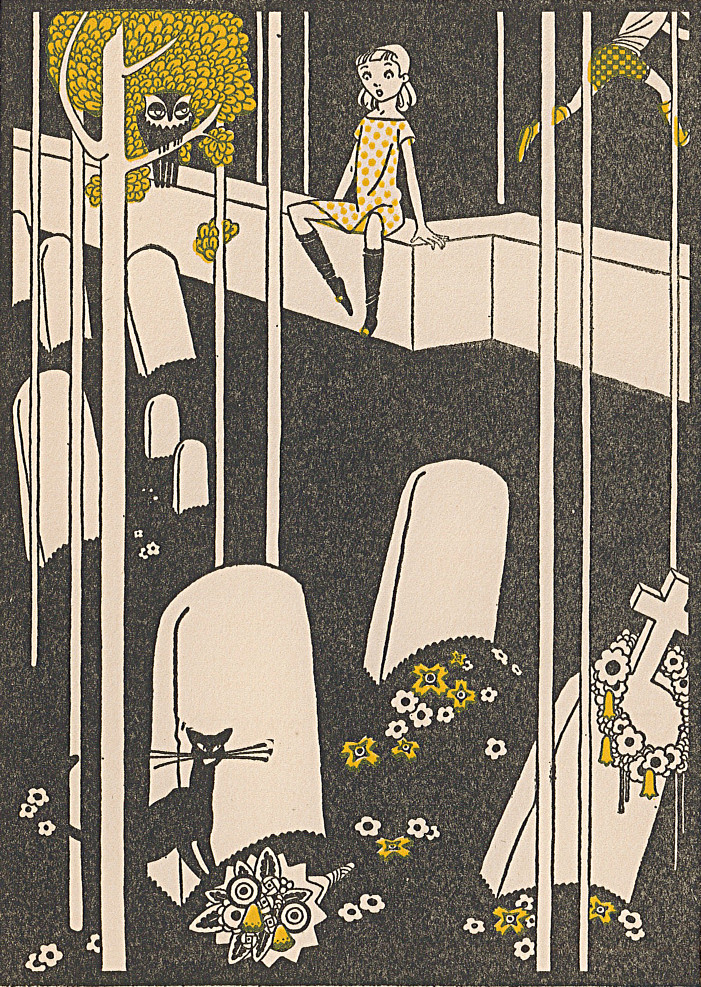
In 1926, at age 13, Nathalia Crane published her third collection of poetry, The Singing Crow and Other Poems. The title comes from a long poem about a crow that, after having its beak torn by an arrow, becomes a wonderful singer; she returns to that topic in the first poem of the collection’s epilogue, “A singer gone.” The book got some success, and she was then dubbed “The Brooklyn Bard” (see Jessica Amanda Salmonson, “Girl Writers: Nathalia Crane, Vivienne Dayrell, & Daisy Ashford,” The Weird Review). There are several very short poems, in particular “The Colors” is often quoted: CONTINUE READING / CONTINUER LA LECTURE…
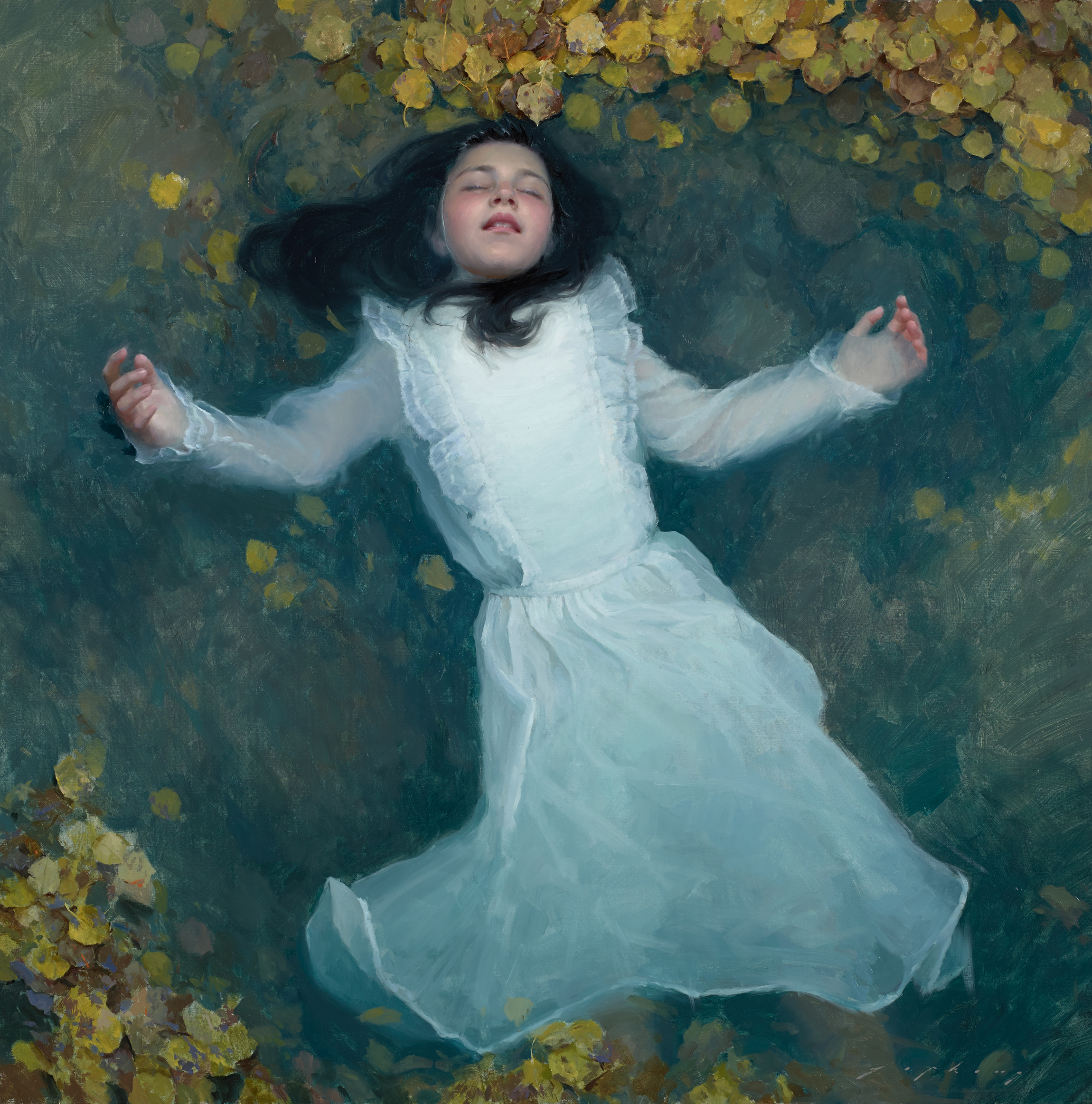
LOVELINESS
by Hilda ConklingLOVELINESS that dies when I forget
Comes alive when I remember.
In previous posts, I have presented two themes from Poems by a Little Girl (1920), Hilda Conkling’s first volume: dreams, often involving fairies and nature, then rose petals, which she associates with her heart, or with a dove representing love. In her second volume Shoes of the Wind (1922), the topics of dreams, roses and love become united within two beautiful poems, but here love becomes more personal. Indeed, Hilda was no more a little girl, she entered into puberty, so her fantasies and desires took a more womanly form. Also the style of her poetry matured, with a quasi-adult sophistication. CONTINUE READING / CONTINUER LA LECTURE…
Today I present an erotic poem, probably full of hidden sexual meanings. Maybe the title refers to the Mons Veneris, and the four last verses of the first stanza also seem to hint at some sexual acts whose description was considered too obscene to be told explicitly in the early 20th century. The poem ends in ecstasy with a reference to Satan and Hell, as the latter seems to be more pleasurable than the Heaven of religion. CONTINUE READING / CONTINUER LA LECTURE…
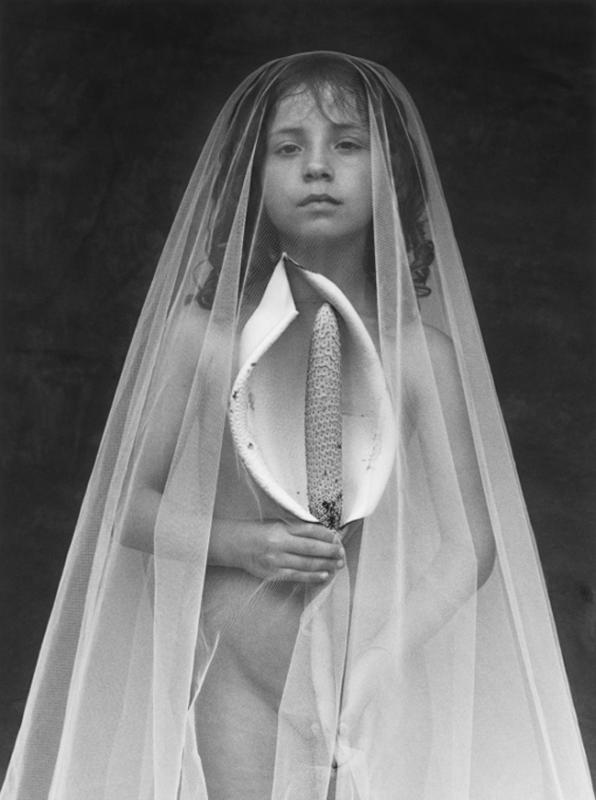
In a previous post, I presented “The First Reformer,” the first poem in Saints and Reformers, the fourth part of Lava Lane, and Other Poems, her second volume published in 1925. Then I mentioned three others that explicitly mock religion: “Sunday Morning,” “The Making of a Saint” and “The Edict.” I reproduce them here. CONTINUE READING / CONTINUER LA LECTURE…
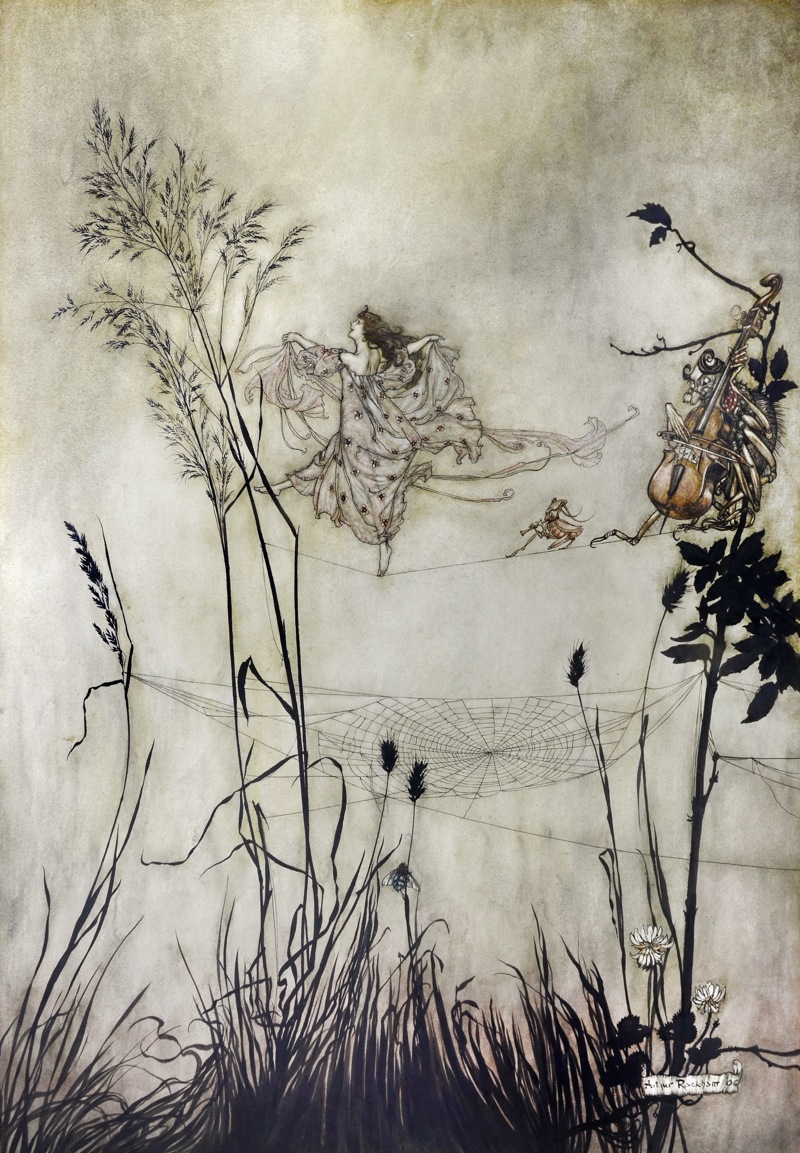
A strange little song in Shoes of the Wind, A Book of Poems (1922), transcribed from the digitisation of the original edition on Internet Archive. CONTINUE READING / CONTINUER LA LECTURE…

John Benson Sebastian is an American singer and songwriter born in 1944. In 1965 he formed the band The Lovin’ Spoonful, for which he sang and played the guitar, also he authored all their hit songs during that period. He left the band in 1968 to start a solo career that went on until now. CONTINUE READING / CONTINUER LA LECTURE…
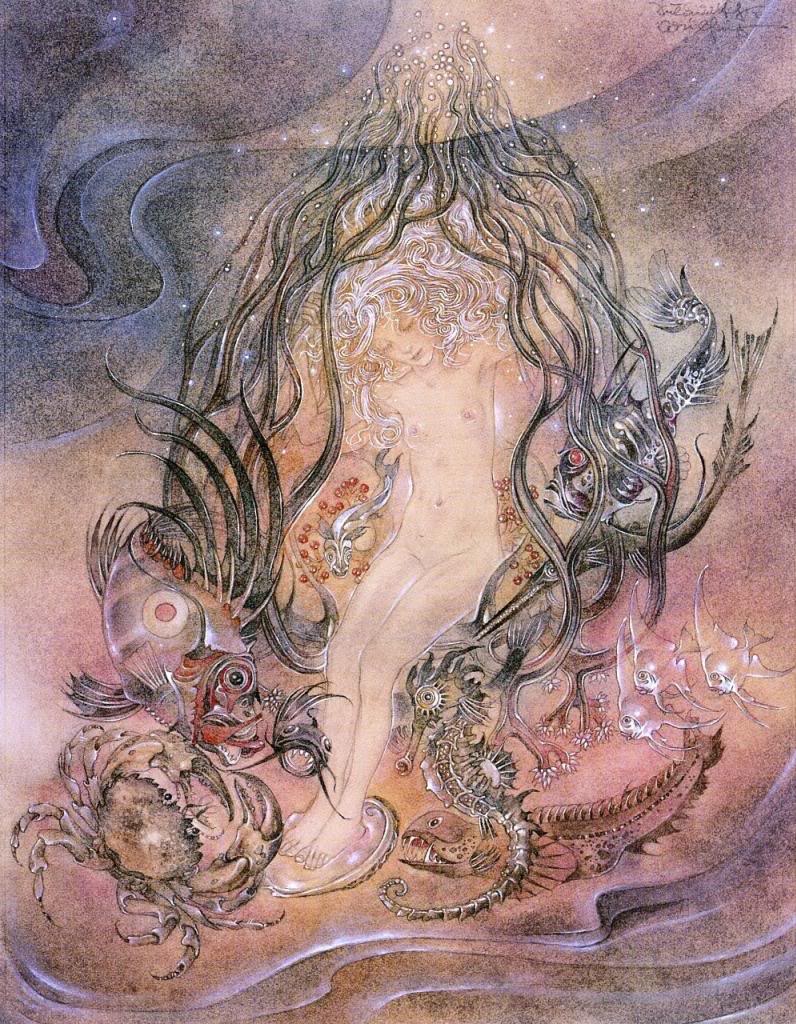
A sweet little poem giving hope to grieving hearts, from Shoes of the Wind, Hilda’s second collection. CONTINUE READING / CONTINUER LA LECTURE…