
Shoes of the Wind, Hilda Conkling’s second collection

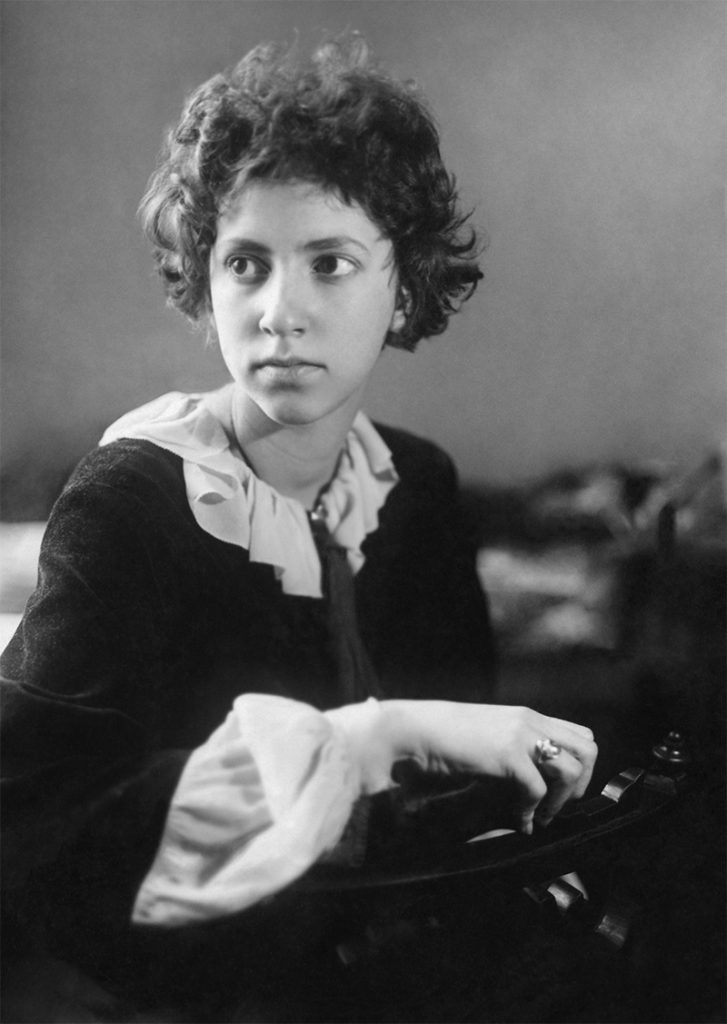
Hilda Conkling (1922)
Artist unknown – Hilda Conkling (1922) – from Shoes of the Wind

Two years after Poems by a Little Girl in 1920, Hilda Conkling published her second book of verses: Shoes of the Wind, A Book of Poems. She was 12 years old when the book appeared, and the poems in it were probably written between the ages of 9 and 12. They show a great maturity, with a literary style generally close to that of adulthood. On the other hand, they seem more conventional than her early works in the first volume, where she could as a child let her imagination flow unfettered. CONTINUE READING / CONTINUER LA LECTURE…

The First Reformer, by Nathalia Crane

Janet Weight Reed - magical hummingbird
Janet Weight Reed – magical hummingbird – from jcrhumming.wordpress.com

The fourth part of Lava Lane, and Other Poems (1925), titled Saints and Reformers, contains six poems. Three of them explicitly mock religion. “Sunday Morning” tells of God’s activities at that moment, such as “Counting the Yiddish babies” or “Waving the popcorn scepter,” and finally “God, on a Sunday morning, / Reaching the dotage stage.” In “The Making of a Saint,” a woman dies in a garret, so “The lords of the rafters were sorry— / The spider, the moth, and the mouse,” and they manage to obtain some advantages for themselves and their garret by making her a saint. In “The Edict,” an editor advises a saint on how to write his story, so that it will be widely read. CONTINUE READING / CONTINUER LA LECTURE…
A Little Girl Lost, by William Blake

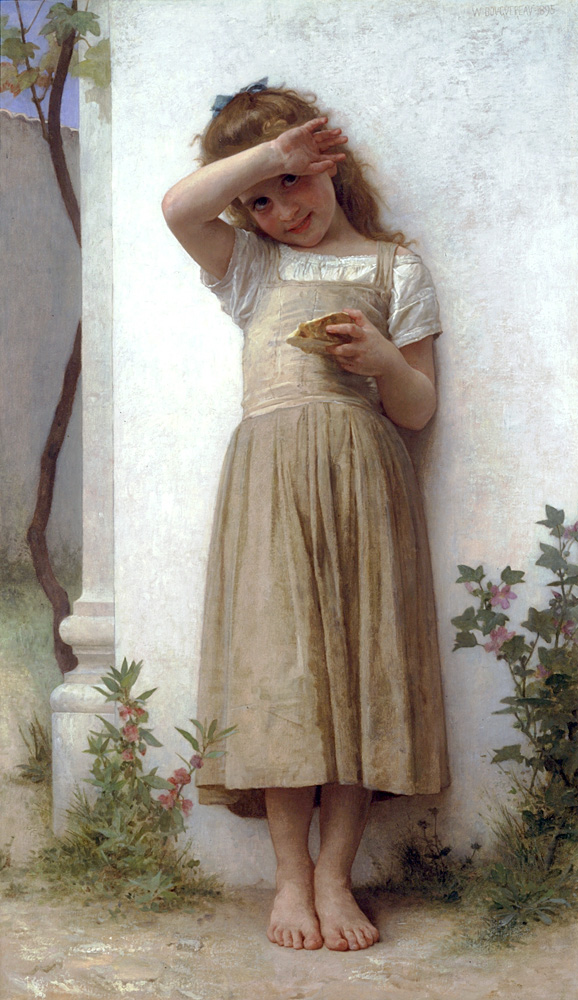
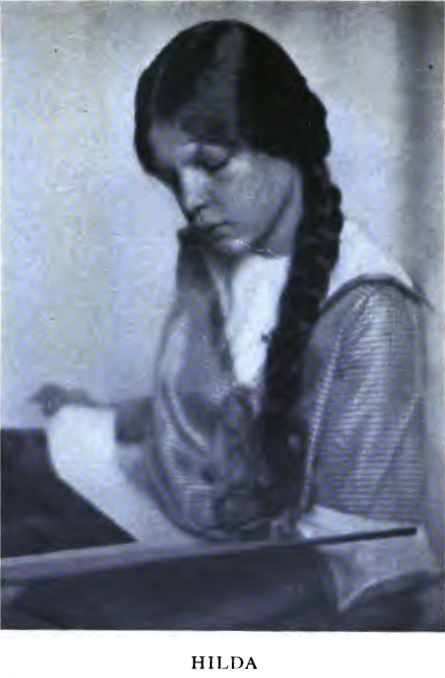
František Kupka - The little girl with a ball
František Kupka – The little girl with a ball (1908)

The visionary poet and painter William Blake (b. 28 November 1757, d. 12 August 1827) went largely unrecognised during his lifetime, but he is now considered a seminal figure in the history of the poetry and visual arts of the Romantic Age. In the poem “A Little Girl Lost” published in Songs of Experience (1794), he envisages a future where children and adolescents will freely enjoy nudity and love, and the religious condemnation of these pleasures will cause indignation. He would have been dismayed to notice that 225 years after publishing that poem, things have not much progressed in the Anglo-Saxon world. CONTINUE READING / CONTINUER LA LECTURE…

Rose-Moss, by Hilda Conkling

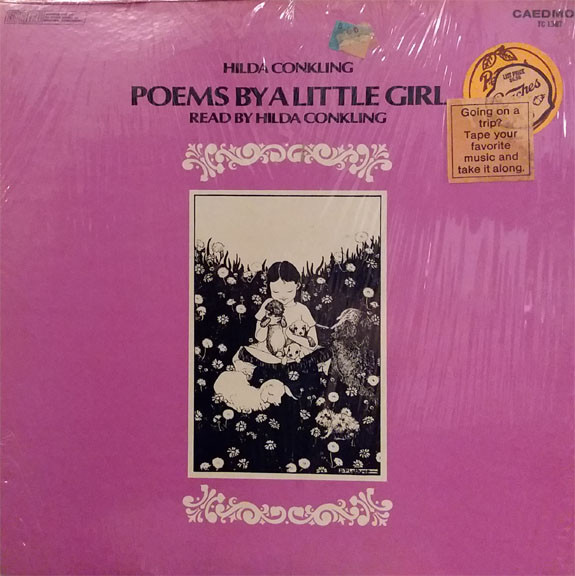
Hilda Conkling, Poems By A Little Girl
Cover by Charles Churchward, Illustration by Dorothy P. Lathrop – Hilda Conkling, Poems By A Little Girl, Vinyl LP Album, Caedmon Records, Inc., TC 1387 (1972)

The child poet composed this charming little poem at age five or six, and her mother wrote it down. It was published in 1920 in her first collection Poems by a Little Girl. Hilda shows her empathy for nature, wondering if an isolated flower feels lonely, but fortunatly it does not. CONTINUE READING / CONTINUER LA LECTURE…
Nathalia Crane at twelve

Nathalia Crane
Nathalia Crane (c.1925)

In 1925, Nathalia Crane published her second volume of poetry, Lava Lane, and Other Poems, just one year after her first one, The Janitor’s boy, and Other Poems. In it she airs her sophistication, mastering poetical language, as well as scientific and technical vocabulary from several disciplines, such as botany, geology and even embryology (using the word “blastoderm” about a boy she seems to despise); she also refers to various religions and to characters from Greek mythology. Furthermore, she shows her understanding of human relations, including in some of their intimate aspects. CONTINUE READING / CONTINUER LA LECTURE…

Jealousy, by Nathalia Crane

Keystone/Getty Images - Chinese schoolchildren
Keystone/Getty Images – Chinese schoolchildren give a demonstration of their military skills in Hanking, where lessons include pre-military exercises using wooden weapons (April 1, 1974)

In this humorous little piece, Nathalia imagines organising a brigade of little girls in charge of watching their fathers and preventing their seduction by beautiful young women. Here Flatbush is a neighbourhood of Brooklyn in New York City. CONTINUE READING / CONTINUER LA LECTURE…