
Poets and Lovers est né il y a un an. L’œuf pondu le 17 mars 2019 fut éclos trois jours plus tard. Le phénix fait maintenant entendre sa voix tous les trois jours, et voici son 157e chant. CONTINUE READING / CONTINUER LA LECTURE…
Poets and Lovers est né il y a un an. L’œuf pondu le 17 mars 2019 fut éclos trois jours plus tard. Le phénix fait maintenant entendre sa voix tous les trois jours, et voici son 157e chant. CONTINUE READING / CONTINUER LA LECTURE…
Possibly there are some readers who, every three days at 6 p.m. Paris time, visit this site in order to read a new post. Today they will find an unusual one, similar to another one that appeared exactly six months ago, as it is not devoted to presenting a writer or a poem.
Poets and Lovers is alive since one year. The database was created on March 17, 2019, then it got its domain name on the 20th. CONTINUE READING / CONTINUER LA LECTURE…
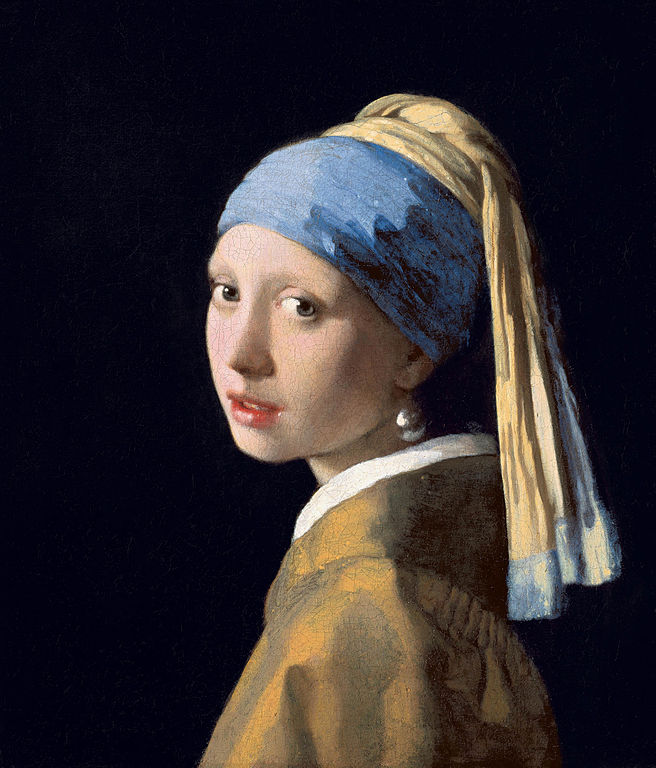
Ma belle et moi, opposés en tout, irrésistiblement attirés, avons célébré nos noces chimiques, chaudes, fleuries et colorées. L’aube rouge se lève sur la guirlande de roses de notre union, qui brûle de la plus belle philosophie. CONTINUE READING / CONTINUER LA LECTURE…
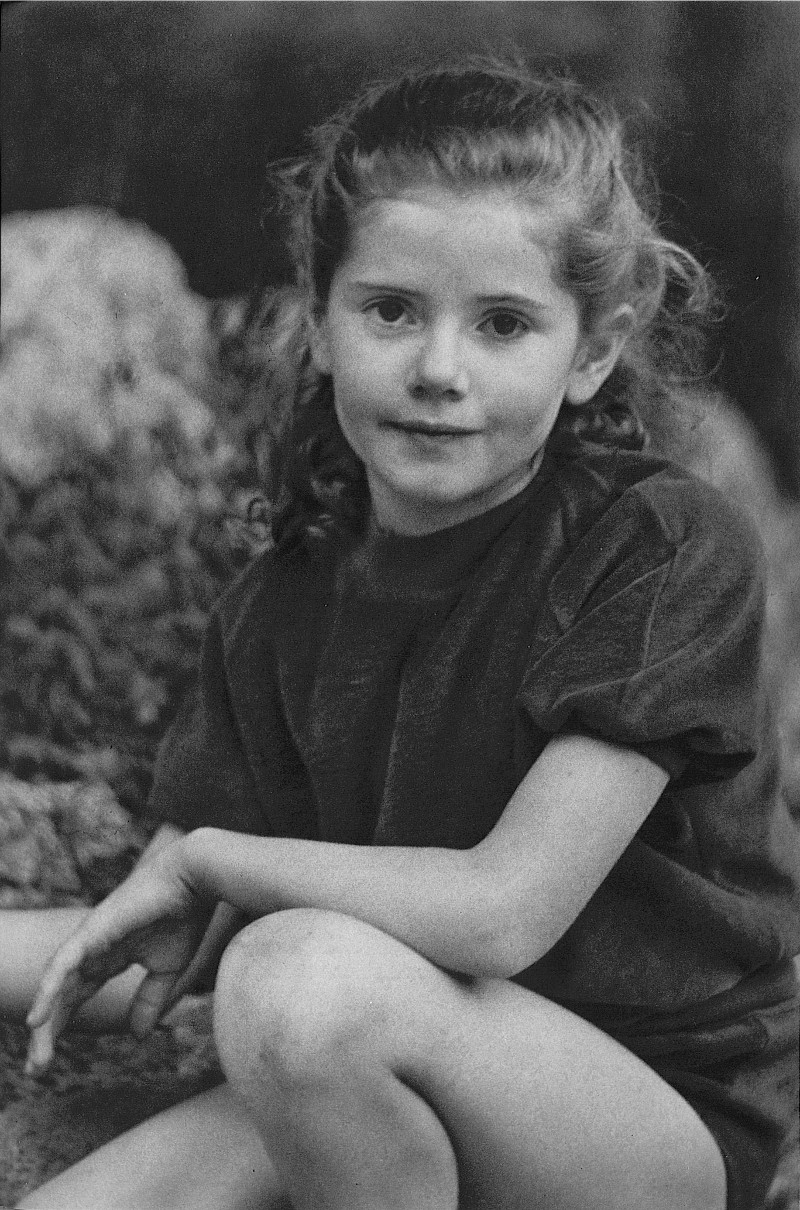
Of all poems in Rosa Mundi, and other love-songs, the most tender is the tenth. The poet compares the beloved girl with a flower fairy, whom he kisses and takes into his hands. CONTINUE READING / CONTINUER LA LECTURE…
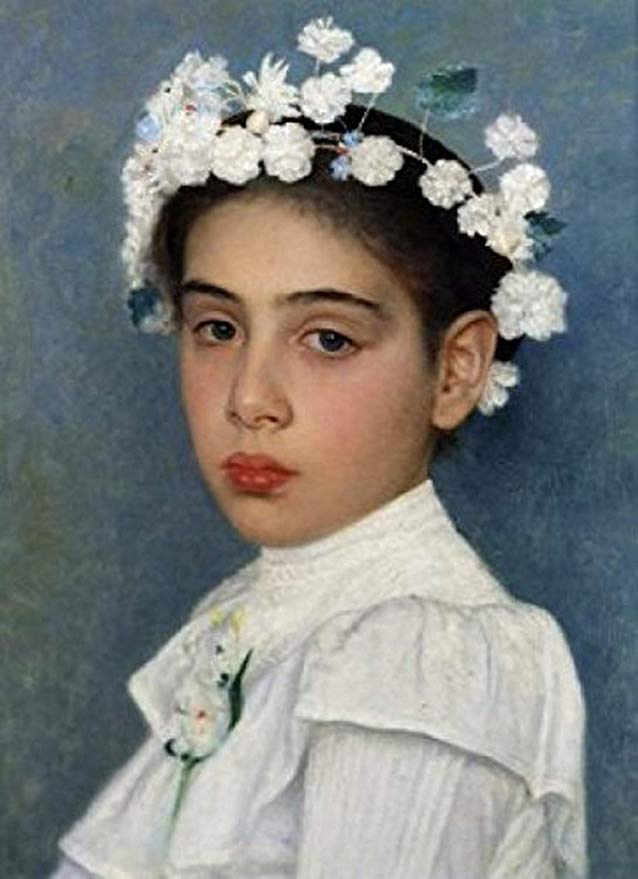
In 1809–10, the poet George Gordon Byron briefly resided in Athens. He fell in love with the 12 years old Teresa Makri (Τερέζα Μακρή), in whose mother’s house he lodged. In a letter to Henry Drury he said to be “dying for love of three Greek Girls at Athens,” “Teresa, Mariana, and Kattinka.” Before departing for Istanbul, he wrote for Teresa the poem “Maid of Athens, ere we part.” It was first published in Childe Harold in 1812. CONTINUE READING / CONTINUER LA LECTURE…
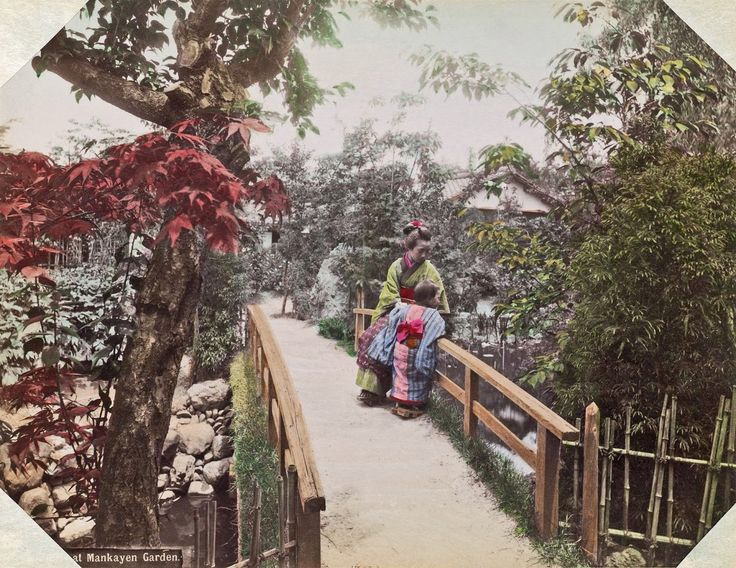
La fleur qui s’ouvre est une porte sur le jardin des délices. Jour après jour, elle s’ouvre, nouvelle porte, menant à d’autres délices. CONTINUE READING / CONTINUER LA LECTURE…
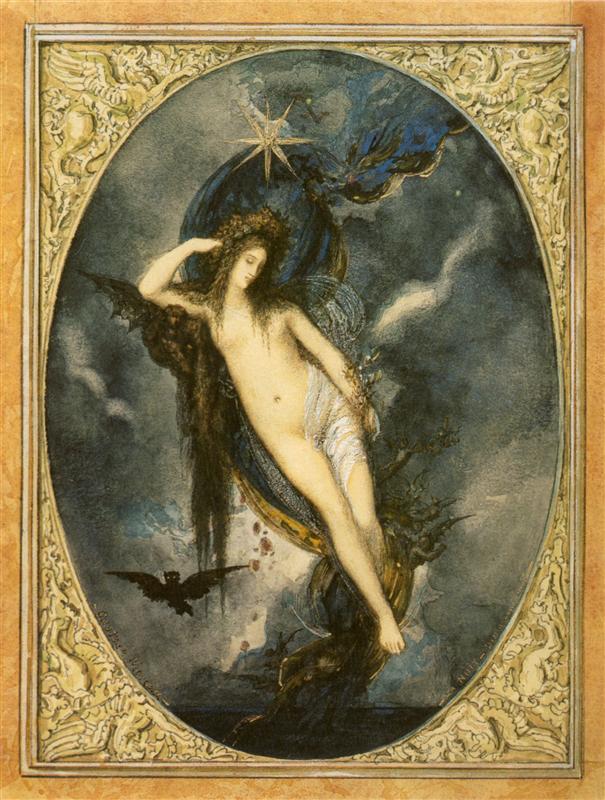
Oscar Fingal O’Flahertie Wills Wilde was born on October 16, 1854 in Dublin, the second son of William Robert Wills Wilde, a famous otolaryngologist and ophthalmologist, and Jane Francesca Agnes Elgee, a poet and supporter of the Irish nationalist movement. His mother wanted a daughter, and as a toddler, Oscar was raised and clothed as a little girl. The feminine and intellectual way in which she educated him must have contributed to his sensitive and aesthetic temperament, quite opposed to that of his father. CONTINUE READING / CONTINUER LA LECTURE…
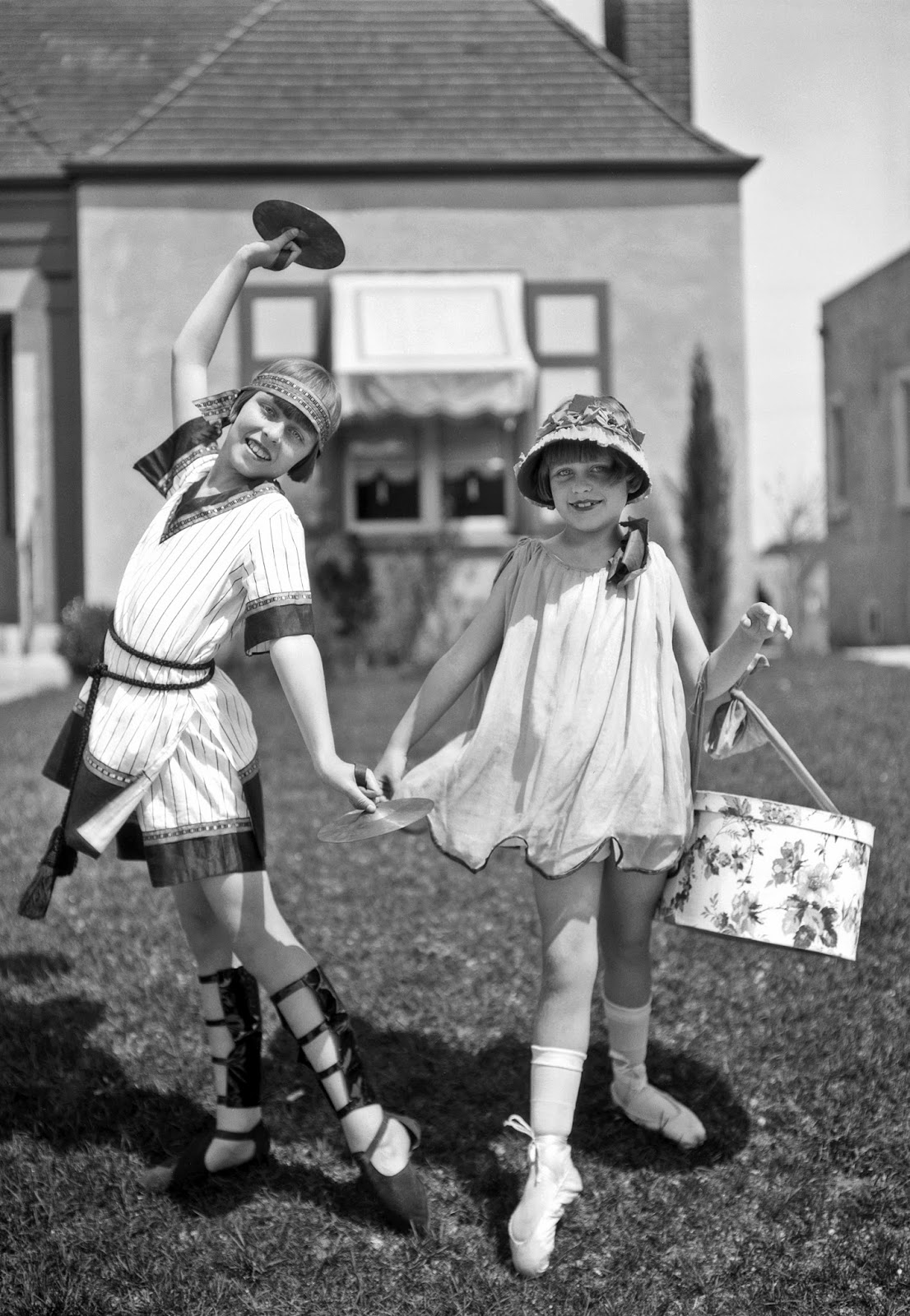
In a previous post, I transcribed one of the two poems in English from her second volume, Le Pêcheur de lune: “The pillar-box’s song,” dedicated to her “Tandothy.” Here is the other one, dedicated to the pupils of “Tandothy.” CONTINUE READING / CONTINUER LA LECTURE…
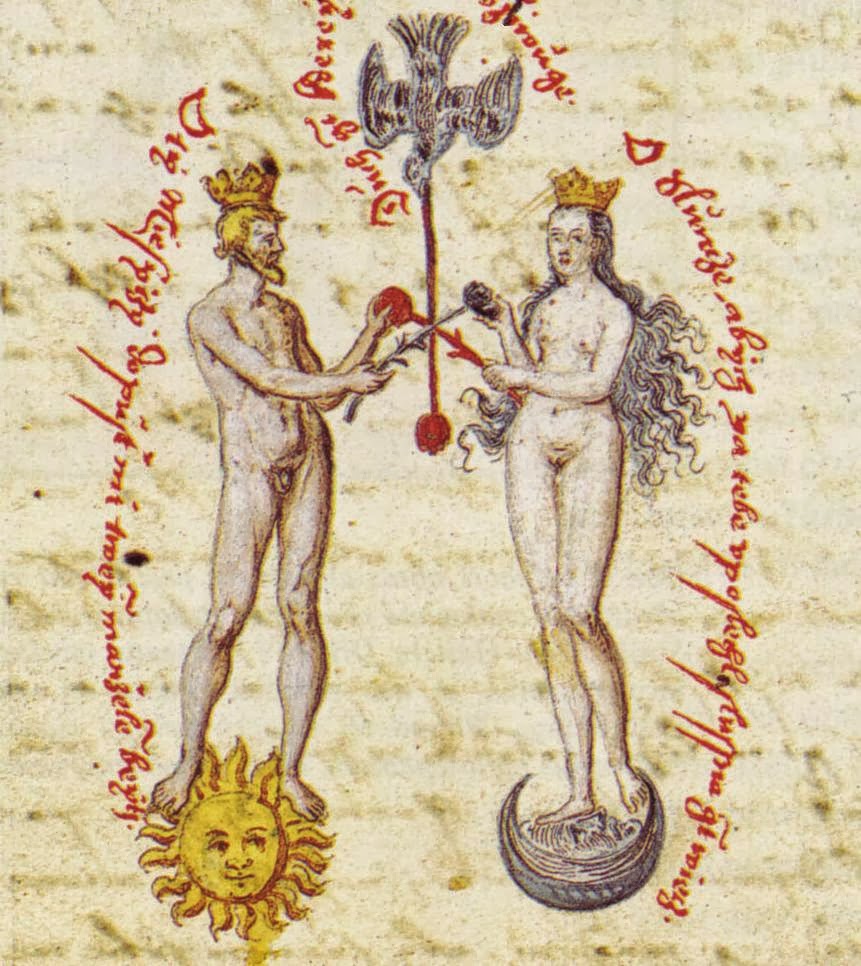
Rosa Mundi, and other love-songs is a collection of 28 numbered poems, first published in 1905. It starts with a very long poem, itself called “Rosa Mundi.” Poems numbered 4 to 13 are titled by names of girls. The most charming is the fourth, where a boy secretly offers three flowers to a girl, but in return she has only one secret flower to offer him. CONTINUE READING / CONTINUER LA LECTURE…

La poésie et l’amour appartiennent à la nuit. Pas une nuit froide et calme des corps engourdis, mais une nuit torride et violente, enflammant le désir. À tout âge, nous devons brûler pour vivre. CONTINUE READING / CONTINUER LA LECTURE…